
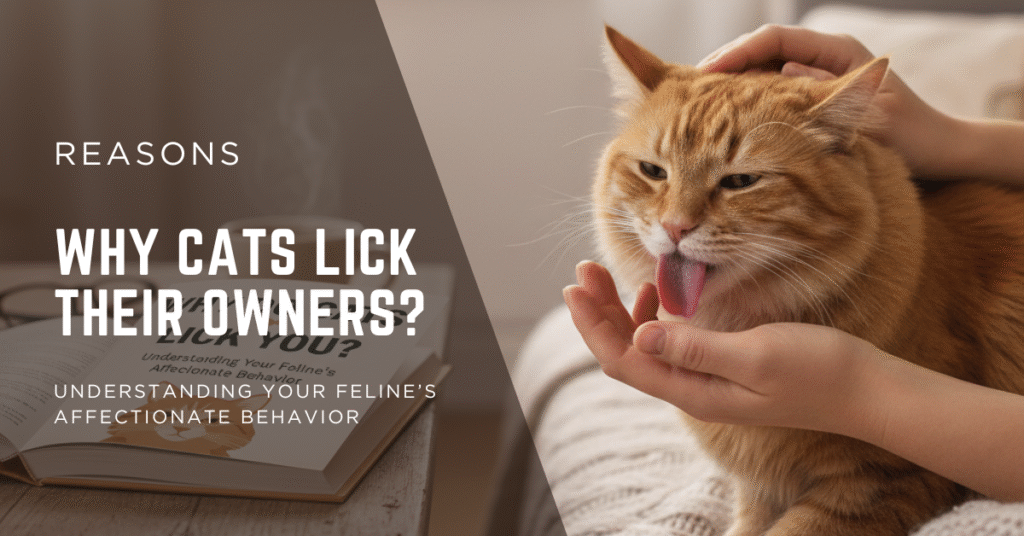
Have you ever been relaxing on the couch when your cat suddenly starts giving you a sandpaper-textured bath? If you’ve found yourself wondering “why does my cat lick me so much,” you’re not alone. Cat licking is one of the most common behaviors that leaves pet parents both charmed and curious.
While it might feel a bit strange at first, your cat’s licking behavior is actually packed with meaning. From showing love to marking territory, cats lick their humans for various fascinating reasons. Some are heartwarming expressions of affection, while others might signal that your furry friend needs a little extra attention or care.
In this comprehensive guide, we’ll explore everything you need to know about why cats lick their owners. Whether your cat gives you occasional gentle licks or seems determined to groom you from head to toe, understanding this behavior will help you strengthen your bond and ensure your feline friend is happy and healthy.
4 Reasons Why Cats Lick Their Owners
1. Bonding and Showing Affection
The most heartwarming reason your cat licks you is simple: they love you. When cats lick their owners, they’re often expressing affection in the same way they would with other cats in their family group.
In the wild and in multi-cat households, cats engage in something called “allogrooming.” This is when cats groom each other as a social bonding activity. It’s not just about cleanliness; it’s about building and maintaining relationships within their group.
When your cat licks you, they’re essentially treating you as part of their family. They’re saying, “You’re one of us, and I care about you.” This behavior typically starts in kittenhood when mother cats groom their babies, creating positive associations with licking that last a lifetime.
You’ll often notice this type of licking when you’re relaxing together. Your cat might lick your hand while you’re petting them, or they might groom your hair while you’re lying down. These are tender moments that strengthen the bond between you and your feline companion.
If your cat licks you and then cuddles up close or purrs contentedly, you can be pretty confident that affection is the driving force behind the behavior.
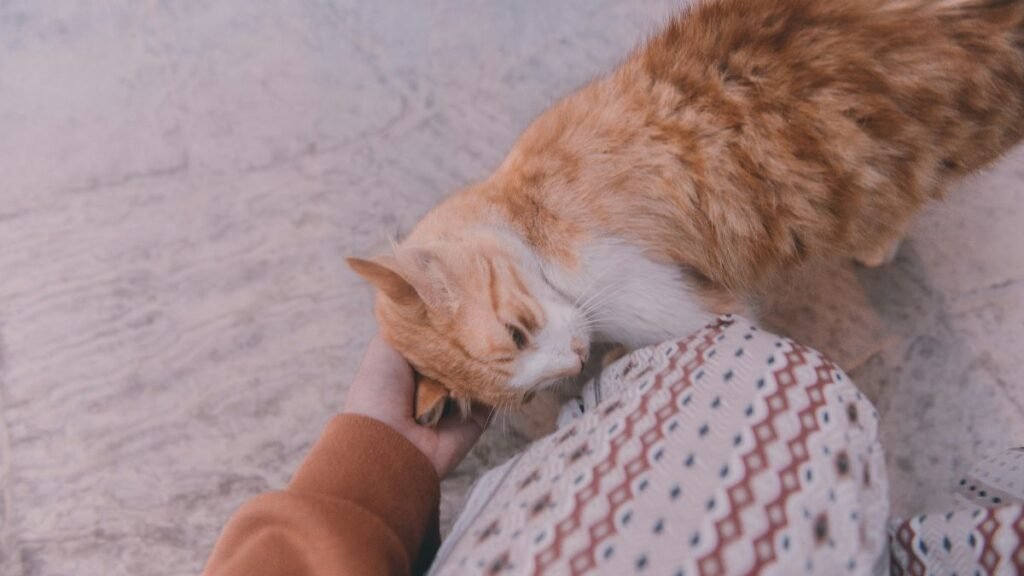
2. Marking Their Territory (Sharing Scent)
Cats are territorial creatures, and they have a sophisticated system for marking what belongs to them. While you might think of territory marking as something involving scratching posts or unfortunate furniture accidents, licking is actually one of the gentler ways cats claim ownership.
When your cat licks you, they’re depositing their scent on you. Cats have scent glands in their mouths, and by licking, they’re essentially saying, “This human is mine.” It’s a compliment, really. Your cat wants other animals to know that you’re part of their territory.
This behavior becomes especially noticeable when you’ve been away from home. If you’ve been petting other animals or have come home from work, your cat might lick you more intensely. They’re essentially “re-claiming” you and covering any foreign scents with their own.
Interestingly, this scent-sharing works both ways. When your cat licks you, they’re not just putting their scent on you; they’re also picking up your scent. This creates a shared family scent that makes your cat feel secure and connected to you.
If you notice your cat licking you after you’ve showered or applied lotion, this territorial behavior might be the explanation. They’re working hard to make sure you smell like part of the family again.
3. It Feels Good and Provides Comfort
Sometimes the answer to “why does my cat lick me” is straightforward: because it feels good to them. Licking can be a self-soothing behavior that helps cats relax and feel comfortable.
Think about how some people bite their nails, twirl their hair, or engage in other repetitive behaviors when they’re relaxed or trying to calm down. For cats, licking serves a similar purpose. The rhythmic motion and the act of grooming can be deeply satisfying and meditative for them.
You might have been groomed by your mother as a kitten, and this behavior creates positive associations that last into adulthood. When your adult cat licks you, they might be recreating those comforting feelings from their early days.
This type of licking often happens during quiet bonding time. Your cat might settle into your lap, start purring, and begin gently licking your hand or arm. It’s their way of relaxing and enjoying your company.
The texture of your skin might also play a role. Some cats seem to particularly enjoy licking after their owners have been sweating or have applied certain lotions. The salt on your skin or interesting scents can make the experience even more enjoyable for them.
If your cat’s licking seems calm, rhythmic, and occurs during peaceful moments, they’re likely just enjoying the sensation and the bonding experience.
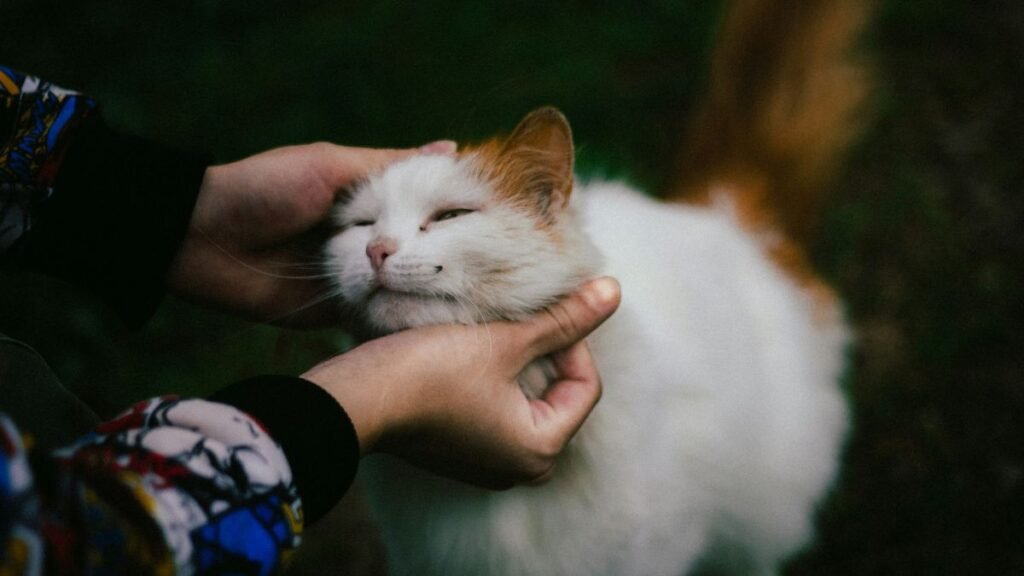
4. Attention-Seeking Behavior
Let’s face it: cats know how to get what they want. If your cat has learned that licking you results in attention, treats, or playtime, they might use this behavior strategically to get your focus.
This is especially common if you’ve inadvertently reinforced the behavior. For example, if your cat licks you and you immediately stop what you’re doing to pet them or give them treats, they’ve learned that licking equals attention.
Some cats will lick persistently when they want something specific. They might lick your face in the morning when they’re hungry, or lick your hands when they want you to play with them. It’s their way of saying, “Hey, I need something from you!”
This behavior can be quite endearing, but it can also become excessive if not managed properly. If your cat is licking you constantly and seems to escalate when you don’t respond, they might be seeking attention or stimulation.
Pay attention to the context of the licking. Does it happen at specific times of day? Does your cat seem to want something particular when they do it? Understanding the pattern can help you address their needs more effectively.
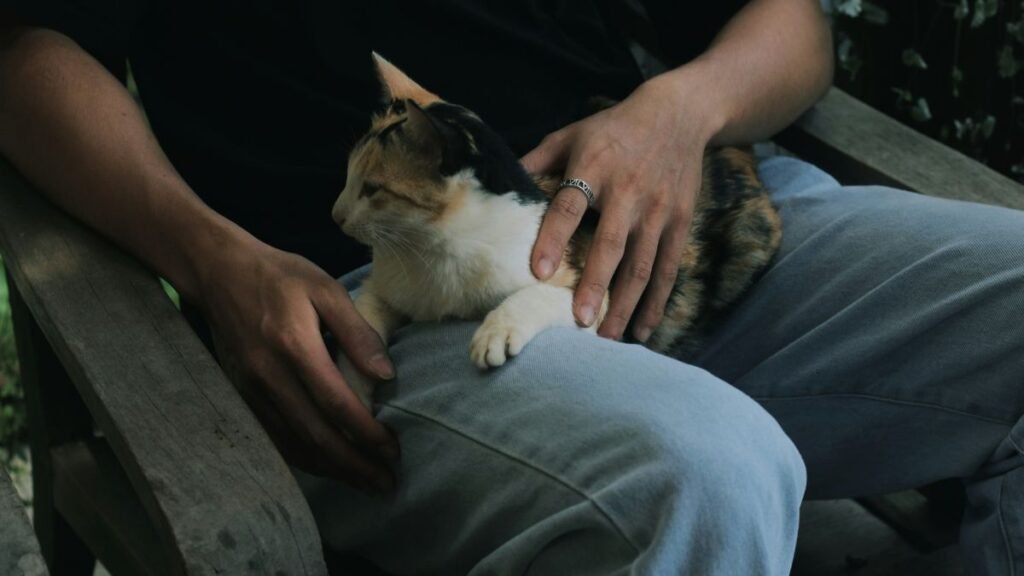
Understanding “Why Does My Cat Lick Me Then Bite Me?”
One of the most confusing cat behaviors is the “lick and bite” combo. You’re enjoying sweet grooming from your cat when suddenly, they bite you. What gives?
This behavior, often called “love bites,” usually isn’t aggressive. There are several reasons why your cat might lick you and then bite:
Overstimulation: Cats can become overstimulated during petting or grooming sessions. What starts as enjoyable can quickly become too much. The bite is their way of saying, “Okay, that’s enough now.”
Playfulness: Young cats especially might transition from grooming to play mode. The licking gets them excited, and suddenly they want to wrestle. These playful bites are usually gentle and not intended to hurt.
Grooming behavior: When cats groom themselves or other cats, they sometimes use their teeth to work through tangles or reach difficult spots. They might be trying to “groom” you more thoroughly.
Communication: Sometimes a gentle bite after licking is simply your cat’s way of communicating. They might be saying “pay attention to me” or “I’m done now.”
Watch your cat’s body language to understand their intentions. If their ears are forward, tail is relaxed, and the bite is gentle, it’s likely playful or communicative. If their ears are back, tail is twitching, or they seem tense, they might be overstimulated and need a break.
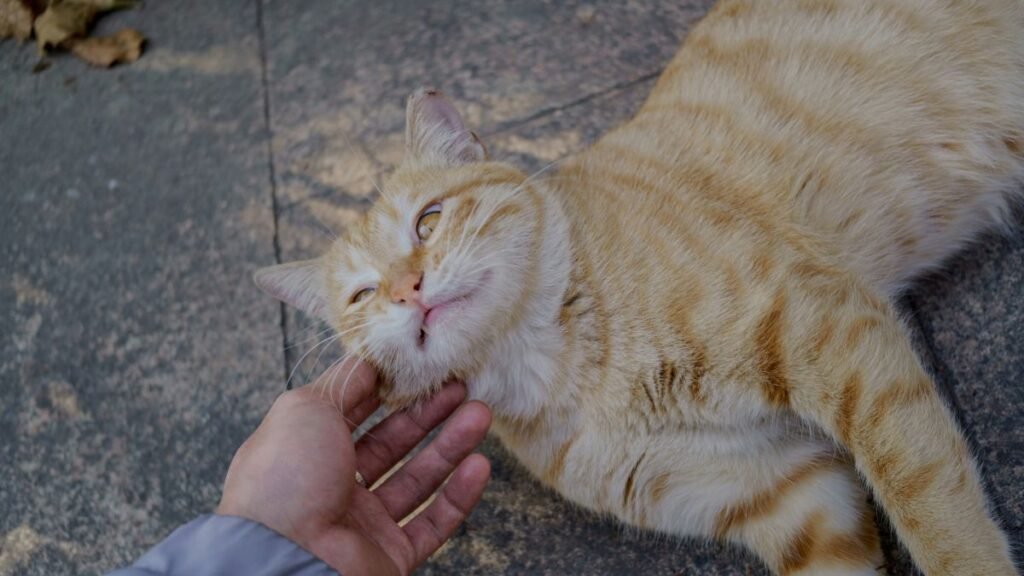
Why Does My Cat Lick Me So Much? When to Be Concerned
While licking is normal cat behavior, excessive licking can sometimes indicate an underlying issue. If you’re constantly wondering “why does my cat keep licking me,” it might be time to look deeper.
Anxiety or Stress: Cats sometimes develop compulsive behaviors when they’re anxious. Excessive licking can be a coping mechanism for stress. Look for other signs like hiding, changes in eating habits, or destructive behavior.
Medical Issues: Certain medical conditions can cause increased licking behavior. If your cat suddenly starts licking you much more than usual, or if they’re also excessively grooming themselves, consult your veterinarian.
Nutritional Deficiencies: Sometimes cats lick humans excessively because they’re drawn to the salt on skin or because they have nutritional imbalances. This is more common in cats with dietary issues.
Boredom: An under-stimulated cat might lick excessively simply because they don’t have enough to do. Indoor cats especially need mental and physical enrichment.
If your cat’s licking behavior has changed suddenly or dramatically, or if it’s accompanied by other concerning symptoms, schedule a vet visit to rule out medical causes.
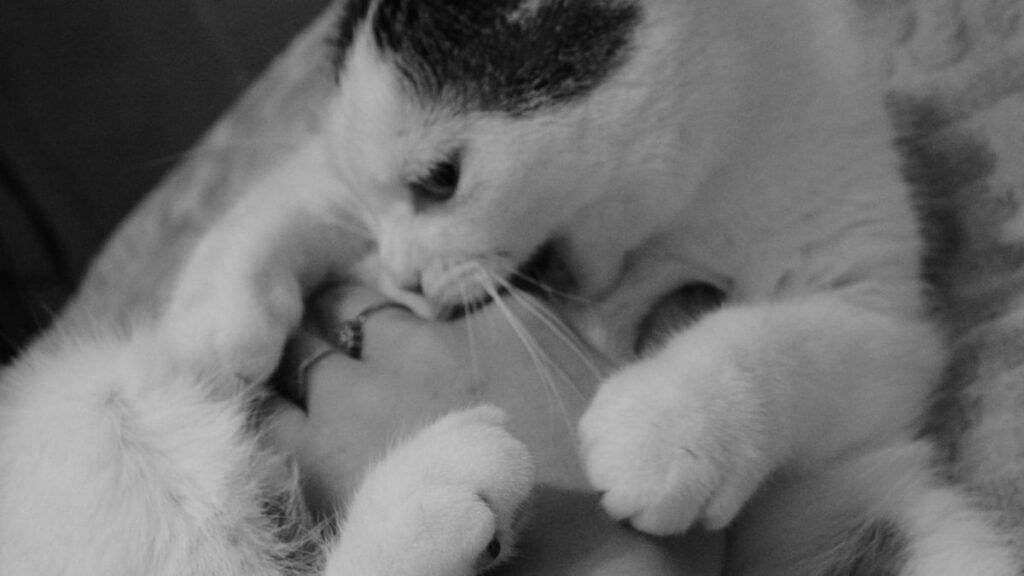
They’re Anxious or Stressed
Stress and anxiety can manifest in various ways in cats, and excessive licking is one of them. When cats feel anxious, they often turn to self-soothing behaviors, and licking can provide temporary comfort.
Common stress triggers for cats include:
Changes in routine or environment, such as moving to a new home, rearranging furniture, or changes in your schedule.
New people or pets in the household that disrupt their sense of security and territory.
Loud noises like construction, storms, or fireworks that create ongoing anxiety.
Lack of resources in multi-cat homes, such as insufficient litter boxes, food bowls, or hiding spaces.
Medical issues or pain that make them feel vulnerable and insecure.
When a cat is stressed, they might lick you as a way to seek comfort and reassurance. Your scent and presence are familiar and safe, making you a natural source of comfort during difficult times.
You can identify stress-related licking by looking at the bigger picture. Is your cat also hiding more than usual? Have they lost their appetite? Are they avoiding certain areas of the house? These additional signs can help confirm that anxiety is the underlying cause.
If you suspect stress is causing excessive licking, focus on creating a calm, predictable environment. Maintain consistent routines, provide plenty of hiding spots and vertical spaces, and consider using feline pheromone diffusers to help your cat feel more secure.
How to Get Your Cat to Stop Licking You
While cat licking is generally harmless and even sweet, there are times when you might want to discourage the behavior. Maybe your cat’s tongue is too rough, the licking is excessive, or it’s happening at inconvenient times like when you’re trying to sleep.
The good news is that you can redirect this behavior without damaging your bond with your cat. Here are effective, gentle strategies:
Redirect to Appropriate Surfaces: When your cat starts licking you, gently redirect their attention to a soft toy or blanket. This teaches them that these items are better for licking than your skin.
Provide Alternative Stimulation: Often, cats lick because they’re bored or seeking interaction. Increase playtime with interactive toys, puzzle feeders, and regular play sessions. A tired, stimulated cat is less likely to lick excessively.
Remove Yourself Calmly: If your cat is licking you, simply stand up and walk away without making a fuss. This removes the “reward” of your attention without punishing your cat. Be consistent, and they’ll learn that licking makes you leave.
Address Underlying Causes: If anxiety or stress is driving the behavior, work on creating a more secure environment. Add cat trees for vertical space, ensure each cat has their own resources, and maintain predictable routines.
Use Positive Reinforcement: Reward your cat when they’re near you without licking. Give treats, pets, or play when they’re being calm and not engaging in the unwanted behavior.
Apply Unpleasant (But Safe) Tastes: If your cat targets specific areas, you can apply safe, bitter-tasting (but non-toxic) sprays designed for pets. This makes licking less rewarding without harming your cat.
Never Punish: Yelling at or physically punishing your cat will damage your relationship and can increase anxiety, potentially making the licking worse. Always use gentle, positive methods.
Increase Environmental Enrichment: Make sure your cat has plenty of toys, scratching posts, window perches, and interactive activities. A cat with a rich, stimulating environment is less likely to develop compulsive behaviors.
Establish Boundaries During Sleep: If nighttime licking is an issue, consider closing your bedroom door or providing your cat with a comfortable sleeping area elsewhere. Cats are adaptable and will adjust to new routines.
Consult Professionals: If the licking is truly excessive or compulsive, work with your veterinarian or a certified cat behaviorist. They can rule out medical issues and provide specialized guidance.
Remember, some licking is normal and healthy. The goal isn’t necessarily to eliminate the behavior entirely but to manage it so it works for both you and your cat.
Building a Stronger Bond With Your Cat
Understanding why cats lick you opens up a deeper appreciation for feline communication and affection. These rough-tongued kisses are just one of the many ways your cat shows they care about you.
Every cat is unique, and their licking behavior will reflect their individual personality. Some cats are enthusiastic groomers who see their humans as giant, slightly helpless kittens in need of constant care. Others are more reserved, offering only occasional licks during special bonding moments.
Pay attention to your cat’s overall body language and behavior patterns. Licking is just one piece of the puzzle in understanding what your cat is trying to tell you. Combined with purring, kneading, slow blinks, and other behaviors, you’ll develop a rich understanding of your feline friend’s communication style.
Whether your cat licks you to show affection, mark their territory, self-soothe, or get your attention, this behavior is a testament to the special bond you share. Embrace these scratchy signs of love, and continue building the trust and connection that makes living with cats such a rewarding experience.
After all, when your cat chooses to groom you, they’re treating you like family. And in the feline world, there’s no greater compliment than that.
Now that you understand the many reasons behind your cat’s licking behavior, you can respond appropriately and continue nurturing the special relationship you share. And if you’re looking for the perfect name for your affectionate licker, explore our cat name generator for inspiration that captures your unique feline’s personality!
