
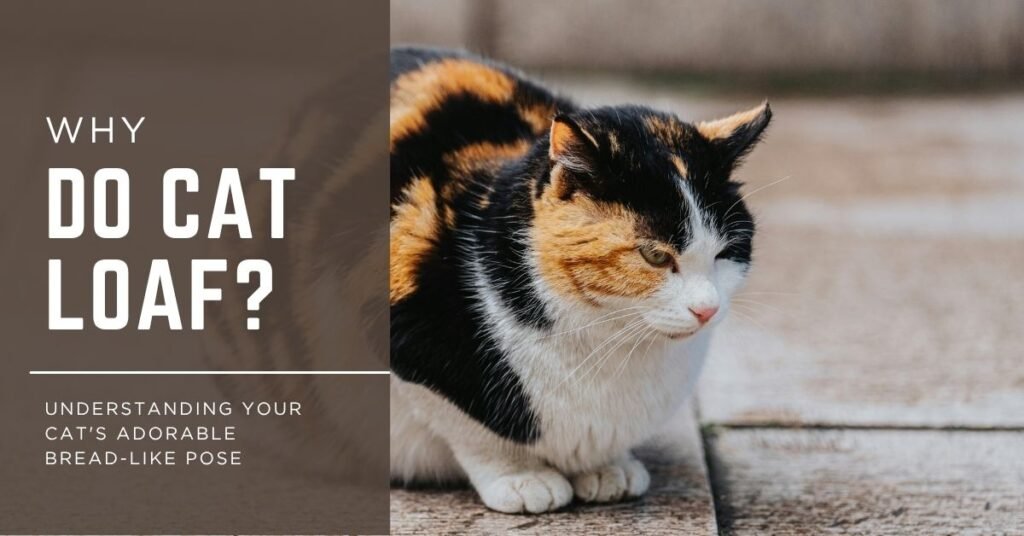
Have you ever caught your cat sitting with their paws tucked neatly underneath their body, looking like a delicious loaf of bread? If you have, you’ve witnessed one of the internet’s most beloved feline behaviors: cat loafing. But beyond the cuteness factor and the endless stream of adorable cat memes, there’s real science and genuine meaning behind this quirky posture.
Cat loafing is more than just a funny sitting position or a photo opportunity for social media. It’s a window into your cat’s emotional state, comfort level, and overall well-being. Understanding why your furry friend adopts this pose can help you better interpret their needs and strengthen your bond with them.
Whether your cat loafs regularly or you’ve only spotted it occasionally, this comprehensive guide will explore the fascinating reasons behind this behavior, what different types of loaves mean, and what you should know to keep your feline companion happy and healthy.
What Is a Cat Loaf
The term “cat loaf” might sound amusing, but it’s actually quite accurate when you picture it. A cat loaf is exactly what it sounds like: a cat sitting in a position that resembles a loaf of bread.
When cats loaf, they tuck all four paws and their tail underneath their body, creating a compact, rounded silhouette. The cat’s body becomes rectangular in shape with rounded edges, much like a freshly baked loaf sitting on a bakery shelf. You can see their head and body, but their limbs essentially disappear from view, tucked neatly beneath them.
The beauty of a true cat loaf is in its compactness. This position minimizes the cat’s outline and creates what cat behaviorists describe as a “launch-ready” posture. Interestingly, the term “cat loaf” has gradually become part of the collective vocabulary of cat lovers worldwide, trending on social media platforms and inspiring countless pieces of cat loaf art and photography.
What Are the Different Cat Loaf Positions
Just like there are many varieties of bread at your local bakery, cats have developed their own unique takes on the classic loaf position. Each variation has its own charm and can tell you something different about your feline’s mood and comfort level.
The full loaf is the most iconic version. In this classic position, your cat lies on their stomach with all four paws, tail, and legs completely tucked beneath their body. This is the ultimate loaf that most people picture when they hear the term.
The sphinx loaf gets its name from the famous Egyptian monument. In this position, your cat’s front paws are stretched out in front of them while their back legs remain tucked underneath. This variation still has that bread-like appearance but with a bit more attitude and alertness.
The loaf boat is a playful variation where one elbow slips out from beneath the cat’s body. From the front, that elbow forms what looks like the triangular bow of a boat, hence the creative name.
The meatloaf position features an arched back with the cat’s front paws and neck stretched forward slightly. This variation often includes the cat resting their face or head gently on the floor.
The face loaf, sometimes called the “tuckered loaf,” occurs when your cat plants their face down with their head dropped forward onto the floor. This position is particularly adorable and often indicates extreme tiredness.
Other fun variations include the potato cat, hovercat, and turkey cat. Some cats even develop their own signature versions, keeping one paw slightly visible or letting their tail stretch out behind them while maintaining the basic tucked position.
What Do the Different Types of Cat Loaf Mean
Understanding the subtle differences in loafing positions can give you valuable insights into your cat’s emotional state and physical well-being.
A cat in a full loaf position with eyes relaxed or slowly blinking is typically expressing contentment and happiness. When your cat is purring while in this position, it’s an almost guaranteed sign of complete relaxation and comfort. This is your cat’s way of saying they’re genuinely happy and at peace.
If your cat loafs with one paw or elbow slightly visible, they might be slightly less deeply relaxed than in a full loaf. They could be semi-alert, ready to spring into action if something interesting happens. This partial loaf often appears when cats are resting but still maintaining interest in their surroundings.
A sphinx loaf with attentive eyes and ears upright suggests your cat is relaxed but also observant. They’re comfortable enough to loaf but engaged enough to watch what’s happening around them. This position often appears when cats are in social situations but still want to maintain their composed demeanor.
The face loaf with a head drop typically indicates your cat is exhausted. If your cat is doing this frequently, it may also signal that they’re not feeling well or experiencing pain, especially if accompanied by other behavioral changes.
Why Do Cats Loaf
The reasons behind cat loafing are multifaceted and fascinating. Your cat doesn’t choose this position randomly; there are real, scientifically-backed reasons why they adopt this distinctive posture multiple times throughout their day.
Comfort and Security
First and foremost, cats loaf because it’s comfortable. Veterinary behaviorists have confirmed that this position creates an ergonomic way for cats to rest while remaining balanced and stable.
When a cat tucks their paws underneath their body, they’re in a position that feels secure and supportive. The compressed posture distributes their weight evenly and allows them to maintain a relaxed yet alert state simultaneously. This dual capability of being both relaxed and prepared is part of what makes loafing so appealing to cats.
The loaf position also provides a sense of psychological security. By tucking in their limbs, cats minimize their physical footprint and create an almost cocoon-like environment around themselves. This compact position gives them a feeling of being enclosed and protected, which is comforting to a species that naturally seeks out safe, confined spaces.
Reducing Vulnerability
Beyond comfort, the loaf position serves an important protective function. Cats are both hunters and prey in the natural world, and this instinct carries over to domestic cats, even in the safety of your home.
By loafing, cats minimize their exposure to potential dangers. Their vulnerable areas, including their soft underbelly and vital organs, are protected and tucked away. This protective mechanism kicks in automatically, especially when cats feel uncertain about their environment.
Veterinary behaviorists note that you’ll often see cats loafing in situations where they feel the need to protect themselves. This is particularly common in veterinary clinics where cats feel stressed. The loaf position becomes a defensive posture that allows cats to stay still yet ready to react if necessary.
When your cat loafs near you, however, it’s typically not a sign of fear or protection from you. Instead, it indicates they trust you enough to relax their guard while still maintaining the security this position provides.
Body Temperature Regulation
Cats are masters at managing their body temperature, and the loaf position is one of their most effective tools for staying warm. Feline body temperatures run higher than human body temperatures, and cats are naturally sensitive to feeling cold.
When a cat tucks their paws and tail beneath their body, they significantly reduce the surface area exposed to cool air. This compression helps them conserve body heat efficiently. By curling inward, they minimize heat loss and maintain their core body temperature more effectively than if they were sprawled out.
Think of it like how humans instinctively wrap their arms around themselves when feeling chilly or tuck their hands into their pockets. Cats are doing essentially the same thing. They’re creating a warm, compact bundle that retains heat naturally.
Adaptation to Environmental Changes
Cats are incredibly perceptive animals that adapt their behavior based on their surroundings. You’ll likely notice your cat loafing more frequently during cooler months or in air-conditioned rooms.
When temperatures drop, cats naturally seek out warm locations and adopt heat-conserving positions like the loaf. Similarly, if your cat has a shorter coat or naturally runs cold, they may loaf more often than cats with thicker fur or higher individual heat production.
This behavioral adaptation shows just how intelligent cats are at reading their environment and responding appropriately to maintain their comfort and health.
Relaxation and Trust
One of the most meaningful reasons cats loaf is that it genuinely indicates relaxation. When a cat is in a true loaf position with their paws completely tucked and their body fully compressed, they’re not prepared to spring into action quickly.
The loaf position requires a level of muscle relaxation that cats simply wouldn’t adopt if they felt stressed or threatened. It’s almost like a person lying completely flat on a couch: you’re not getting up quickly. This is why loafing is such a reliable indicator that your cat feels safe and comfortable.
Building Trust with Owners
When your cat chooses to loaf near you or, even better, on you, it’s a significant display of trust. Your cat is deliberately placing themselves in a position where they’re vulnerable and would take a moment to fully mobilize if needed.
By loafing in your presence, your cat is essentially saying they trust you to protect them while they rest. This behavior strengthens the emotional bond between you and your feline companion and signifies a deep level of comfort in the relationship.
If your cat loafs while slowly blinking or purring, these additional signs amplify the message of contentment and affection. Slow blinks are a cat’s way of showing love, and purring indicates happiness and satisfaction.
Health and Well-Being
While loafing is usually a positive sign of relaxation and contentment, it’s important to recognize that changes in loafing behavior can sometimes indicate health issues.
Cats are notorious for hiding signs of illness and pain. They evolved as solitary hunters, and showing weakness could be dangerous in their natural environment. Therefore, behavioral changes are often the first indicator that something might be wrong.
If your cat suddenly starts loafing more than usual or spends extended periods in this position when they previously didn’t, it could signal that they’re not feeling well. Some cats adopt the loaf position to manage pain or discomfort, particularly gastrointestinal issues or arthritis.
Additionally, if your cat loafs with their face planted down, their body more hunched than usual, or their head held lower, these could be signs of illness. Cats experiencing respiratory distress may adopt a loafing position to maximize their ability to breathe, as this posture allows their diaphragm to draw in the most air possible.
Addressing Potential Health Concerns
The key is to look for changes in patterns rather than assuming any loafing is problematic. If your cat typically loafs regularly and continues to do so while maintaining normal eating, bathroom, and activity habits, there’s likely nothing to worry about.
However, watch for these warning signs that might indicate your cat is uncomfortable:
Your cat is loafing significantly more than usual and seems less willing to stretch out or change positions. They’re keeping their face planted down or showing an unusually hunched posture while loafing. They’re remaining in the loaf position for extended periods and seem reluctant to move. They’re displaying other behavioral changes like reduced appetite, changes in litter box habits, or decreased activity. You notice trembling, shaking, or other signs of distress.
Any combination of these signs warrants a call to your veterinarian. Early detection of health issues can make a significant difference in your cat’s prognosis and comfort level.
Enhancing Your Cat’s Environment
If your cat loves to loaf and you want to encourage this healthy, relaxing behavior, you can create an environment that supports their loafing lifestyle. The best loafing spots are typically warm, safe, and quiet.
Soft surfaces are key. Cats often loaf on blankets, rugs, cushions, and furniture. Providing comfortable bedding gives them the perfect foundation for extended loafing sessions. Consider placing these cozy spots near windows where they can enjoy natural sunlight, which provides warmth and visual stimulation.
Creating quiet resting areas away from heavy foot traffic, loud noises, and household chaos is essential. Some cats prefer open perches like the top of a couch where they can observe their domain while loafing. Others prefer enclosed spaces like cardboard boxes with towels inside or cat beds that provide a sense of security.
Pay attention to temperature as well. If your home tends to be cool, your cat will appreciate loafing spots that retain warmth, whether near a sunny window, on a heated bed, or even on your lap. These environmental considerations can significantly enhance your cat’s well-being and comfort.
Regular Veterinary Check-Ups
Maintaining your cat’s health through regular veterinary visits is crucial for catching any issues early. During these check-ups, discuss your cat’s behavior with your veterinarian, including their loafing patterns.
Your vet can help you distinguish between normal relaxed loafing and loafing that might indicate a health concern. They can also assess your cat’s overall physical health and address any underlying conditions that might affect their behavior.
If you notice sudden changes in your cat’s loafing habits, don’t hesitate to schedule an appointment. Your observations are valuable information that can help your veterinarian provide the best possible care.
Strengthening Your Bond Through Understanding Cat Loafing
At the end of the day, understanding why your cat loafs is about more than just satisfying curiosity. It’s about deepening your relationship with your feline companion and becoming a more attentive, responsive pet owner.
When you understand that your cat’s loaf position represents contentment, trust, and comfort, you can appreciate those moments on a deeper level. When your cat chooses to loaf near you or on you, recognize it for what it truly is: a declaration of affection and security in your presence.
The loaf position is your cat’s way of communicating that they’re happy, healthy, and at peace with their environment and with you. In return, you can honor this display of trust by respecting their rest, providing the safe and warm environment they need, and monitoring their health to ensure they remain as comfortable as possible.
Every cat loaf is a small moment of connection between you and your furry friend. By understanding what it means and why it happens, you’re not just learning about cat behavior; you’re learning to speak your cat’s language a little better. And in doing so, you’re building a stronger, more meaningful relationship with the wonderful feline in your life.
Other Articles related to cat behaviour:
Do Cats Cry? Understanding Your Feline’s Tears and Emotional Expressions
Why Do Cats Lick You? Understanding Your Feline’s Affectionate Behavior
