
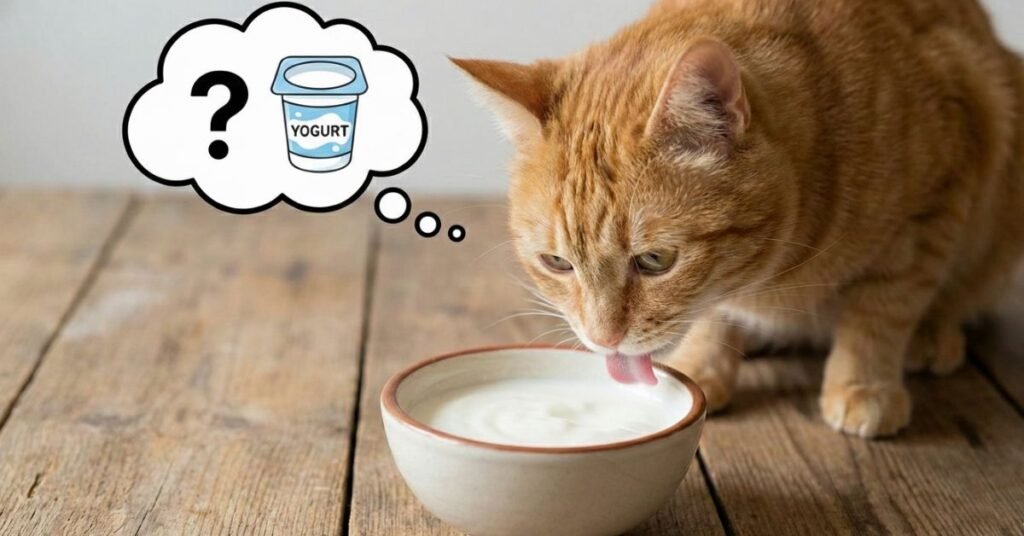
Your cat is eyeing your breakfast yogurt with curiosity, and you’re wondering whether it’s safe to share this creamy treat. Yogurt has become a staple in many households, praised for its probiotics and nutritional benefits for humans. But what about our feline companions?
The answer might surprise you: yes, cats can eat yogurt, but with important conditions. While many cats are lactose intolerant, yogurt’s fermentation process actually makes it easier for them to digest compared to regular milk. However, not all yogurts are created equal, and there are several factors to consider before offering this dairy product to your furry friend.
In this guide, we’ll explore everything you need to know about cats and yogurt, including which types are safe, how much your cat can have, the potential benefits and risks, and practical tips for introducing yogurt to your cat’s diet safely.
Can Cats Eat Yogurt?
Yes, cats can eat yogurt, but only in specific circumstances. The key requirement is that the yogurt must be plain and unsweetened with no added flavors, sugars, or artificial additives.
The live bacterial cultures present in yogurt actually help reduce lactose content, making it more digestible for cats than regular dairy milk. These beneficial bacteria break down much of the lactose during fermentation, which is why some cats can tolerate yogurt better than other dairy products.
However, it’s crucial to remember that yogurt should only be offered as an occasional treat, not as a regular part of your cat’s diet. Your cat’s main nutrition should come from a complete, balanced cat food formulated specifically for their dietary needs.
Can Kittens Eat Yogurt?
Kittens have a different situation when it comes to yogurt. While very young kittens that are still nursing can tolerate small amounts of yogurt better than adult cats (because they’re producing lactase, the enzyme needed to digest lactose), it’s still not recommended.
Kittens have extremely sensitive digestive systems that are still developing. Their stomachs are designed for their mother’s milk or specially formulated kitten formula, not human food. Introducing yogurt to kittens could cause stomach upset, diarrhea, or other digestive issues.
Additionally, kittens don’t derive significant nutritional benefits from yogurt since they’re already receiving all the nutrients they need from high-quality kitten food and formula. It’s best to avoid giving yogurt to kittens entirely and wait until they’re adults before considering it as an occasional treat.
Is It Safe for Cats to Eat Yogurt?
Plain yogurt can be safe for most adult cats when given in small amounts and occasionally. However, safety depends on several factors, including the specific type of yogurt, your individual cat’s digestive tolerance, and how much you’re offering.
More than 65% of adult cats are lactose intolerant, meaning their bodies don’t produce enough lactase to properly digest lactose. Even though yogurt has less lactose than milk, some cats may still experience digestive upset.
Before offering yogurt to your cat for the first time, it’s wise to consult with your veterinarian. They can assess your cat’s individual health status and recommend whether yogurt is appropriate for your specific feline friend.
Protein
Yogurt is a good source of protein, containing approximately 9 grams of protein per 6-ounce serving. Protein is essential for cats as obligate carnivores, providing amino acids needed for muscle development, tissue building, and energy production.
Cats require higher protein amounts than many other pets. In fact, they need at least two grams of protein per pound of their ideal body weight in their daily caloric intake.
While yogurt can contribute some protein, it should never replace meat and fish, which should form the foundation of your cat’s diet. Think of yogurt as a small protein boost rather than a significant protein source.
Probiotics
Probiotics are beneficial bacteria that support digestive health. The live bacterial cultures in yogurt can theoretically help with digestion, potentially reducing gas, stomach cramps, and diarrhea.
However, research suggests that yogurt doesn’t contain enough probiotics to create a major health impact when given in the small amounts cats can safely consume. Additionally, some beneficial bacteria are destroyed during the production and preservation process of commercial yogurt.
If your cat would benefit from probiotics to address specific digestive concerns, speak with your veterinarian about cat-specific probiotic supplements. These are formulated with higher concentrations of beneficial bacteria designed specifically for feline digestive systems and offer more reliable results.
Vitamins
Yogurt contains several important vitamins including vitamin A, vitamins B2, B12, vitamin C, and vitamin D. These vitamins play important roles in maintaining your cat’s overall health, supporting immune function, and promoting bone health.
Your cat’s balanced commercial cat food already contains all these vitamins in adequate amounts specifically formulated for their needs. The additional vitamins from a small portion of yogurt are minimal and unnecessary for cats eating a complete diet.
Minerals
Yogurt is particularly high in calcium, which supports strong bones, teeth, and muscles. It also contains magnesium, which helps cats absorb nutrients and manage blood pressure, as well as potassium.
Again, these minerals are already present in appropriate quantities in your cat’s regular food. While a small taste of yogurt won’t harm your cat, the mineral contribution is negligible compared to their complete diet.
Water
Yogurt contains significant water content, which contributes to hydration. While this isn’t a primary reason to feed yogurt to your cat, the moisture content is one small potential benefit.
Cats often don’t drink enough water, making hydration an important health consideration. However, there are better ways to encourage hydration, such as providing fresh water bowls and exploring our cat care guides for more hydration tips.
What Types of Yogurt Are Safe for Cats?
Not all yogurts are created equal when it comes to feline safety. Understanding which types are safe is essential before offering any yogurt to your cat.
Is Greek Yogurt Good for Cats?
Greek yogurt is typically the best choice among yogurt options for cats. It’s thicker, creamier, and usually lower in lactose than regular yogurt, making it easier on sensitive feline stomachs.
Greek yogurt also has a higher protein content compared to regular yogurt, providing more nutritional value in smaller portions. The protein-to-calorie ratio is more favorable, meaning your cat gets more protein without excessive calories.
When choosing Greek yogurt for your cat, ensure it’s plain and unsweetened with no added ingredients. Check the label carefully to confirm it contains only milk and live bacterial cultures.
Nutritional Value of Plain Yogurt
Plain, unsweetened yogurt is the safest dairy yogurt option for cats. Regular plain yogurt contains about 100 calories per 6-ounce serving, with approximately 9 grams of protein and 7 grams of fat.
The nutritional profile makes it suitable for occasional treats within the 10% daily calorie limit from treats. Plain yogurt also maintains beneficial live bacteria cultures that aid in lactose digestion.
When selecting plain yogurt, look for products with “live and active cultures” on the label. Avoid pasteurized yogurts that have been treated to kill all bacteria, as these don’t offer any probiotic benefits.
Frozen Yogurt
Frozen yogurt is generally not recommended for cats. While it’s made from yogurt, frozen yogurt often contains added sugars and artificial sweeteners that make it unsafe for felines.
Many frozen yogurt products contain xylitol, an artificial sweetener that’s highly toxic to cats and can cause a dangerous drop in blood sugar levels and potentially severe liver damage.
If you want to occasionally offer your cat yogurt in a frozen form, make your own by freezing plain, unsweetened yogurt in ice cube trays. This gives you control over the ingredients and ensures nothing harmful is added.
Vanilla and Flavored Yogurts
Vanilla yogurt is strictly off-limits for cats. Vanilla yogurt contains high amounts of added sugars and may include artificial flavoring and sweeteners that can harm your feline friend.
Similarly, all other flavored yogurts including strawberry yogurt, peach yogurt, and fruit varieties should be avoided. These products contain excessive sugar, artificial sweeteners, and sometimes ingredients like raisins or chocolate that are toxic to cats.
Flavored yogurts provide no nutritional benefit for cats and pose genuine health risks. Always stick to plain, unsweetened varieties only.
How to Feed Yogurt to Your Cat
Introducing yogurt to your cat requires a careful, gradual approach. Here’s how to safely incorporate yogurt into your cat’s diet.
Start with an extremely small amount, about one teaspoon, to see how your cat reacts. This allows you to monitor for any signs of digestive upset before offering larger portions.
Offer the yogurt at room temperature rather than cold, as this is gentler on your cat’s digestive system. You can present it on a spoon, in a small dish, or even let your cat lick it from your finger.
Watch your cat carefully for the next 8 to 12 hours after they consume yogurt. Look for any signs of gastrointestinal upset including diarrhea, vomiting, gas, bloating, or unusual sounds from their stomach.
If your cat tolerates the small amount well and shows no signs of discomfort, you can offer yogurt occasionally as a treat. However, it should never become a regular part of their diet.
Always supervise your cat while they’re eating yogurt to ensure they don’t consume too much. Some cats will enthusiastically eat more than is safe if given the opportunity.
How Much Yogurt Is Okay, If Any?
When it comes to yogurt portions, less is definitely more. The general rule for treating cats is the 10% rule: treats should make up no more than 10% of your cat’s daily calorie intake, with the remaining 90% coming from their complete cat food.
Given that cats typically need between 200 to 300 calories daily depending on age, size, and activity level, treats should provide only 20 to 30 calories maximum.
A single teaspoon of yogurt contains about 5 to 6 calories, making it an appropriate portion size. Never exceed one tablespoon of yogurt per treat session.
Frequency matters too. Yogurt should be offered only occasionally, perhaps once or twice per week at most. It should never become a daily treat or regular dietary component.
Monitor your cat’s weight when introducing yogurt. The extra calories, even from small amounts, can contribute to weight gain over time if offered too frequently.
Potential Benefits
When offered appropriately, plain yogurt can provide some benefits for your cat. Understanding these potential advantages helps you make an informed decision about whether yogurt is right for your feline friend.
The protein content supports muscle maintenance and provides amino acids essential for various bodily functions. The probiotics may help support digestive health, potentially reducing occasional gas or minor digestive discomfort.
Yogurt also contains calcium and other minerals that support bone and teeth health. Some cats may even find the creamy texture appealing, making it an enjoyable occasional treat that strengthens your bond during feeding time.
The live bacterial cultures in yogurt have been anecdotally claimed to help reduce allergies and support gum health, though scientific evidence for these claims is limited.
However, it’s crucial to remember that these benefits are minimal compared to the nutrition your cat receives from their regular, complete diet. Yogurt is truly a nice-to-have occasional treat, not a nutritional necessity.
What Are the Risks of Giving Yogurt to Cats?
While plain yogurt can be safe in small amounts, several risks warrant careful consideration before offering it to your cat.
Lactose Intolerance
Lactose intolerance is the primary concern with yogurt for cats. More than 65% of adult cats cannot produce adequate lactase, the enzyme needed to break down lactose.
Even though yogurt contains less lactose than regular milk due to fermentation, it still contains some lactose. Lactose-intolerant cats may experience vomiting, diarrhea, gas, bloating, and other gastrointestinal discomfort within 8 to 12 hours of eating yogurt.
These digestive issues can range from mild and temporary to more severe. Some cats are more sensitive than others, so individual tolerance varies significantly.
Added Sugar and Sweeteners
Most commercial yogurts contain added sugars, which provide no nutritional benefit for cats. Cats cannot taste sweetness the way humans do, so sugar only adds empty calories without any flavor benefit your cat would appreciate.
Excess sugar increases the risk of obesity, diabetes, and dental problems in cats. These health conditions can significantly impact your cat’s quality of life and longevity.
Even more concerning are artificial sweeteners, particularly xylitol. Xylitol is highly toxic to cats and can cause a dangerous drop in blood sugar levels, leading to liver damage and potentially fatal complications.
Many “light” or “low-calorie” yogurts contain xylitol or other sugar substitutes. Always read ingredient labels carefully before offering any yogurt product to your cat.
Overfeeding and Weight Gain
Even small amounts of yogurt contain calories and fat that can quickly add up. For small cats, a single tablespoon of yogurt represents a significant portion of their daily caloric needs.
Overfeeding yogurt or other treats contributes to weight gain, which is a major health problem in domestic cats. Overweight and obese cats face increased risks of diabetes, joint problems, heart disease, and reduced lifespan.
Because cats are small animals, the caloric impact of human foods is proportionally much greater than it would be for larger pets or humans.
Possible Allergic Reactions
Some cats may be allergic to dairy proteins, even if they’re not lactose intolerant. Dairy allergies differ from lactose intolerance and can cause itching, vomiting, diarrhea, or other allergic symptoms.
Allergic reactions can range from mild to severe. If your cat shows signs of an allergic reaction such as excessive scratching, facial swelling, or respiratory difficulty, stop offering yogurt immediately and contact your veterinarian.
Introducing yogurt for the first time and monitoring carefully helps you identify any allergic reactions before they become severe.
Yogurt Alternatives For Cats
If you want to offer your cat treats but are concerned about yogurt, several cat-safe alternatives provide enjoyment without the risks.
Wet cat food or high-quality canned food can serve as special treats while meeting your cat’s nutritional needs better than yogurt. These are formulated specifically for feline nutrition.
Cooked, unseasoned meats like chicken or turkey are excellent occasional treats that align with your cat’s carnivorous dietary preferences. Cats typically find meat far more appealing than yogurt anyway.
Commercial cat treats designed by nutritionists are formulated to be safe and beneficial for cats. Look for treats made with real meat and without artificial additives.
Some cats enjoy small amounts of cooked vegetables like pumpkin or squash, which can aid digestion naturally. Other cat-safe options include small pieces of cooked salmon or other fish.
Consult your veterinarian for recommendations on healthy treat options tailored to your cat’s specific needs and health status. They can suggest alternatives that provide the enrichment you’re seeking while optimizing your cat’s nutrition.
Final Thoughts
The answer to “can cats eat yogurt?” is yes, but with significant caveats. Plain, unsweetened yogurt can be a safe occasional treat for most adult cats when offered in very small amounts after consulting with your veterinarian.
Plain yogurt does offer some nutritional benefits including protein, probiotics, vitamins, and minerals. However, these benefits are minimal compared to the nutrition your cat receives from their regular diet.
The risks, including lactose intolerance, added sugars in flavored varieties, and the potential for digestive upset or allergic reactions, deserve serious consideration. The safest approach is to offer yogurt sparingly as a rare treat rather than a regular dietary component.
Always introduce yogurt gradually, monitor your cat carefully for any adverse reactions, and prioritize your cat’s complete, balanced diet as their primary nutrition source.
If you’re uncertain whether yogurt is appropriate for your individual cat, consult your veterinarian. They understand your cat’s specific health profile and can provide personalized recommendations. Your cat’s wellbeing should always be your top priority when making dietary decisions.
Remember, a happy, healthy cat is one that receives excellent nutrition through quality cat food and the occasional safe treat. Learn more about optimal cat nutrition and dietary choices through our comprehensive cat care resources.
FAQ
Can cats eat Greek yogurt?
Yes, Greek yogurt is typically the safest yogurt option for cats. It’s lower in lactose than regular yogurt and higher in protein. Always choose plain, unsweetened Greek yogurt and offer only small amounts occasionally.
How often can I give yogurt to my cat?
Yogurt should be offered no more than once or twice per week in very small amounts. It should never be a daily treat or regular dietary component.
What should I do if my cat experiences digestive upset after eating yogurt?
Stop offering yogurt immediately and contact your veterinarian if symptoms persist. Most cases of mild digestive upset resolve on their own, but persistent issues require professional evaluation.
Can I give my cat frozen yogurt?
Most commercial frozen yogurt contains added sugars and sweeteners that are unsafe for cats. If you want to offer frozen yogurt, make your own by freezing plain yogurt in small ice cube portions.
What’s the best way to introduce yogurt to my cat?
Start with just one teaspoon of plain yogurt at room temperature. Observe your cat for 8 to 12 hours for any signs of digestive upset before offering more.
Are there any cat-safe yogurt brands I should know about?
Any plain, unsweetened yogurt without additives is safe. Look for products labeled with “live and active cultures” and check that the ingredient list contains only milk and bacterial cultures.
Can yogurt help with my cat’s digestive problems?
While probiotics can support digestive health, yogurt isn’t the most reliable source for cats. Consult your veterinarian about cat-specific probiotic supplements designed to address your cat’s specific digestive issues.
Is it safe to give kittens yogurt?
No, it’s best to avoid yogurt for kittens. Their sensitive digestive systems are still developing, and they don’t need yogurt since they receive all necessary nutrients from kitten formula and food.
What ingredients should I avoid in cat yogurt?
Avoid added sugars, artificial sweeteners (especially xylitol), flavoring agents, fruits (especially grapes and raisins), chocolate, and coconut. Stick to plain, unsweetened varieties only.
