
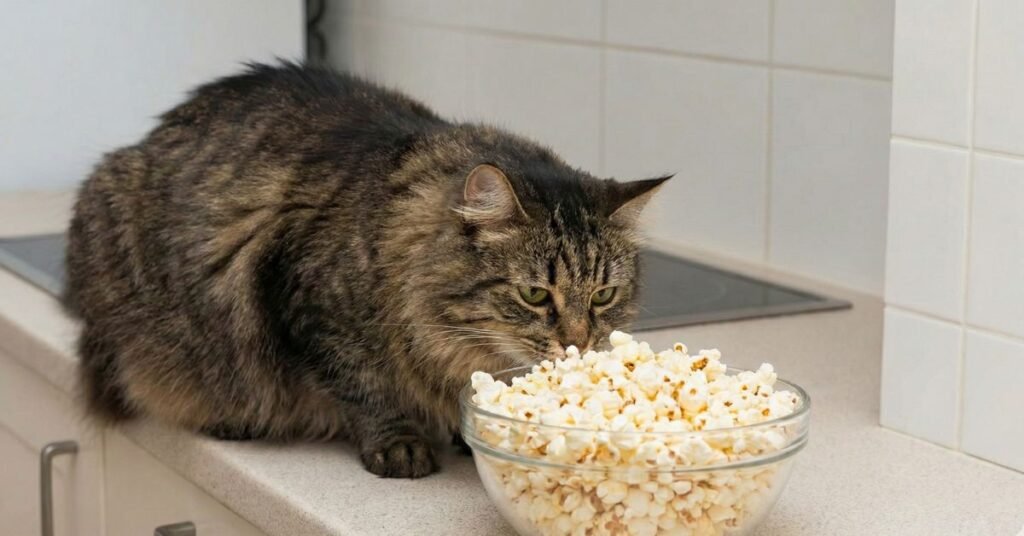
Can Cats Eat Popcorn
Movie night just got a whole lot more interesting when your adorable cat suddenly becomes fascinated with your popcorn bowl. That fluffy white snack bouncing around might look tempting to your kitty, but before you share, you’re probably wondering: can my cat have popcorn? The answer isn’t as simple as yes or no. Understanding what types of popcorn are safe and which ones to avoid is crucial for keeping your beloved pet healthy and happy.
Is Popcorn Bad for Cats?
Understanding Your Cat’s Nutritional Needs
The short answer is that plain, air-popped popcorn isn’t toxic to cats and won’t cause immediate harm in small amounts. However, it’s important to understand why popcorn isn’t the best choice for your feline companion.
Cats are obligate carnivores, which means they require nutrients primarily from meat-based proteins. Their digestive systems evolved to process animal proteins and fats efficiently. Plant-based foods like popcorn are difficult for cats to digest and provide little to no nutritional benefit compared to what their bodies actually need.
Popcorn is essentially empty calories for cats. It lacks the essential amino acids and nutrients that cats require to maintain optimal health. While the occasional kernel won’t hurt, it shouldn’t be a regular part of your cat’s diet.
Harmful Ingredients in Flavored Popcorn
While plain popcorn might be considered safe, the additives commonly found in store-bought varieties are a different story. Salt, butter, caramel, chocolate, and artificial flavorings are far from ideal for your cat’s digestive system.
Many of these ingredients contain excessive amounts of fat, sodium, and sugar, all of which can lead to digestive upset, weight gain, and long-term health problems. Some flavored varieties even contain potentially toxic ingredients that could seriously harm your pet.
Choking Hazard Concerns
One of the most overlooked risks of giving popcorn to cats is the choking hazard. Popcorn kernels are relatively large compared to a cat’s mouth, and their hard, irregular shape makes them a genuine safety concern.
If your cat tries to swallow a kernel whole instead of chewing it properly, they could choke. There’s also the risk of the kernel causing intestinal obstruction if ingested whole. Unpopped kernels are even more dangerous, as they’re extremely hard and can damage your cat’s teeth or scratch the delicate lining of their digestive tract.
Why Are Cats Attracted to Popcorn?
Have you ever wondered why your cat suddenly shows interest in your popcorn bowl when they usually ignore human food? The reason is simple: cats are intrigued by highly aromatic foods. Fresh popcorn has a strong, enticing smell that naturally attracts feline attention.
Buttered and cheese-flavored varieties are particularly appealing to cats because they contain fat, which cats find irresistible. The combination of the aroma and the unique crunchy texture of popcorn also piques their curiosity. Cats enjoy exploring new textures and tastes, and that bouncy, white puffball might seem like the perfect toy to bat around before eating.
From your cat’s perspective, popcorn is entertainment and sensory stimulation all in one. The fact that it came from your bowl makes it even more appealing since many cats are drawn to whatever their humans are enjoying.
What Type of Popcorn Can Cats Eat?
Plain Air-Popped Popcorn Only
If you’re determined to share popcorn with your feline friend, there’s only one truly safe option: plain, air-popped popcorn with absolutely no seasonings or toppings. This is the only variety that meets the minimum safety requirements for cats.
When we say plain, we mean completely plain. No salt, no butter, no oils, no artificial flavors, and no sweeteners. The popcorn should be prepared using an air popper exclusively, as this cooking method doesn’t add any fats or other questionable ingredients.
Even when serving plain popcorn, keep portions extremely small. A few kernels as an occasional treat is acceptable, but make it the exception rather than the rule.
Why Is Buttered Popcorn Bad for Cats?
Butter transforms popcorn from an already questionable snack into something genuinely unhealthy for your cat. While plain popcorn is low in calories, butter adds significant fat and cholesterol content.
When cats consume greasy foods like buttered popcorn, they often experience gastrointestinal issues including vomiting, diarrhea, and digestive upset. If your cat regularly consumes buttered popcorn, they’re at risk for weight gain, elevated cholesterol levels, and various heart-related problems.
Even just two to ten kernels of buttered popcorn won’t cause immediate harm, but it’s definitely not something to offer regularly. The high fat content makes it unsuitable as any kind of regular treat.
What About Plain Salted Popcorn?
Salt is another common popcorn topping that poses serious risks to cats. While salt enhances flavor for humans, it can be toxic to felines when ingested in significant amounts.
Cats have minimal sodium requirements, needing only about 42 milligrams per day. Most store-bought salted popcorn contains far more sodium than this recommended daily intake in just a single serving. Salt toxicity in cats starts with symptoms like gagging, vomiting, lethargy, and loss of appetite. In severe cases, salt poisoning can be fatal.
If your cat absolutely must have a taste of salted popcorn, limit it to just 2-5 kernels maximum. Better yet, skip salted varieties entirely and stick to plain air-popped options without any seasoning.
Can My Cat Have White Cheddar Popcorn?
White cheddar and other cheese-flavored varieties should be avoided completely. These products contain artificial flavoring, excessive salt, and sometimes even dairy ingredients that many cats cannot tolerate well.
Cheese-flavored popcorn is loaded with additives that serve no nutritional purpose for cats and can trigger digestive problems. The combination of high salt content and artificial ingredients makes this type particularly risky.
Caramel and Sweet Popcorn Varieties
Caramel corn and other sweet popcorn varieties are absolutely off-limits for cats. These contain excess sugar, which cats don’t need and can’t properly process.
The sticky nature of caramel popcorn also creates additional choking hazards and potential for intestinal blockages. Some caramel varieties may even contain chocolate, which is toxic to cats.
Can I Give Store-Bought Popcorn to My Kitty?
The unfortunate answer is no, you shouldn’t rely on store-bought popcorn for your cat. Almost all commercial popcorn products are loaded with problematic additives.
Pre-packaged popcorn typically contains excessive salt, butter, artificial flavoring compounds, and sometimes chemical coatings. Some microwave popcorn varieties contain particularly concerning substances.
Diacetyl, which is found in artificial butter flavoring, has been shown to negatively impact respiratory and neuromuscular health in cats. Perfluorooctanoic acid (PFOA), found in microwave popcorn bags, has been linked to hyperthyroidism development in cats.
Even though an occasional few kernels of store-bought popcorn likely won’t cause immediate illness, these products are simply not formulated with your cat’s health in mind. The risks outweigh any potential enjoyment your cat might get from the treat.
Are There Any Health Benefits to a Cat Eating Popcorn?
Limited Nutritional Profile
One cup of air-popped popcorn contains only about 30 calories and is cholesterol-free. While this might make it seem like a good low-calorie snack for overweight cats, the truth is more complicated.
Plain popcorn does contain trace amounts of fiber, vitamins B, A, E, and K, along with small quantities of protein, calcium, and iron. However, these nutrients are minimal and not in forms that cats can effectively utilize.
Why Plain Popcorn Still Falls Short
Despite containing some nutrients on paper, popcorn holds virtually no nutritional value for cats because they are obligate carnivores. Cats must obtain essential nutrients like taurine and arginine from animal sources, not plant-based foods.
Some veterinarians have suggested that the crunchy texture of popcorn might help clear tartar buildup from cat teeth, potentially supporting dental health. However, this benefit is minimal and can be better achieved through other, specifically designed dental treats or regular teeth maintenance.
The bottom line is that popcorn doesn’t provide significant health benefits to cats. Any health-supporting qualities it might have are far outweighed by the risks and the fact that your cat would receive better nutrition from almost any other treat option.
When Can a Cat Not Eat Popcorn?
Sick or Recovering Cats
If your cat is currently unwell or recovering from an illness, popcorn should be avoided entirely. Sick cats have compromised digestive systems that struggle to process difficult-to-digest foods.
Popcorn kernels are hard and can stress an already weakened digestive system. During recovery, cats need soft, bland foods like plain chicken and rice or mashed potatoes and carrots, not crunchy snacks.
Pregnant Cats
Pregnant cats undergo significant hormonal changes that make them prone to frequent vomiting. Popcorn can trigger gastrointestinal reflexes, causing them to regurgitate undigested food.
Pregnant and nursing cats require high-calorie, high-protein diets consisting of whole meats. Popcorn doesn’t support these critical nutritional needs during such an important life stage.
Kittens
Veterinarians strongly recommend avoiding popcorn for kittens. Young cats face serious choking risks due to their smaller mouths and less developed swallowing reflexes.
Additionally, kittens have underdeveloped digestive systems that handle grain-based snacks poorly. Popcorn can easily cause diarrhea in young cats, disrupting their important early nutrition and development.
Senior Cats
Older cats should also abstain from popcorn due to their weakened metabolic strength. Senior cats’ digestive systems are more sensitive, and hard popcorn can easily upset their stomachs.
Older cats may also have dental problems that make chewing popcorn difficult or painful. Senior felines need soft, easily digestible foods, not hard, crunchy snacks.
Corn Is in Cat Food. Why Isn’t Popcorn Healthy for Cats?
You might notice that corn appears in many commercial cat foods, which can make the situation confusing. If corn is in cat food, shouldn’t popcorn be safe too? The answer involves understanding the difference between how corn is processed in pet food versus popcorn.
Understanding Corn in Commercial Cat Food
Corn used in cat food is typically processed into cornmeal or corn gluten meal. These are byproducts of processed corn that contain concentrated proteins and carbs. Manufacturers add these ingredients as inexpensive fillers and binders for dry kibble and semi-moist foods.
While using corn in cat food isn’t ideal, it’s processed in a controlled manner specifically formulated to be part of a complete and balanced diet. The corn is combined with meat proteins and taurine to create a balanced formula.
The Key Difference
Popcorn is whole corn kernels that have been heated until they pop. The processing is completely different from what happens in cat food manufacturing. Popcorn retains all the hard, difficult-to-digest shell and is not formulated with your cat’s nutritional needs in mind.
Why Plant-Based Proteins Don’t Cut It
Plant-based proteins, whether from corn or other sources, have low bioavailability for cats. This means cats can’t effectively extract and use the nutrients these plant proteins contain.
Cats require specific amino acids like taurine and arginine that are only found in animal proteins. Without adequate animal protein sources, cats develop serious health problems including excessive hairballs from poor coat quality, impaired vision, weakened muscles and joints, and unhealthy eating habits.
The Carbohydrate Problem
While popcorn and commercial cat foods may both contain corn, the carbohydrate content difference is significant. Wild cats consuming their natural prey diet get less than 3% carbohydrates.
Most commercial cat foods with corn contain 30-50% carbohydrates, which is already higher than ideal. Popcorn, being pure corn, contains similar carbohydrate levels. Excessive carbohydrate consumption contributes to feline obesity, diabetes, and other metabolic diseases.
My Cat Ate Popcorn. What Do I Do?
When It’s Likely Fine
If your cat sneaked a piece of plain popcorn or ate a few kernels that fell on the floor, don’t panic. Chances are very good that nothing serious will happen. Your cat will most likely be perfectly fine, especially if it was just a small amount.
Monitor your cat for any signs of illness over the next 24-48 hours. Most minor food incidents resolve without intervention.
When to Call Your Veterinarian
If your cat consumed flavored popcorn with butter, salt, caramel, chocolate, or other additives, it’s wise to contact your veterinarian. Let them know what type of popcorn your cat ate and approximately how much.
Your vet can determine whether any of the additional ingredients might cause problems and advise you on whether your cat needs to be seen.
Warning Signs to Watch For
Watch for these symptoms after your cat eats popcorn:
Vomiting is one of the most common side effects of accidental popcorn consumption. If your cat vomits once and then returns to normal, it’s often not a cause for immediate concern, but repeated vomiting warrants veterinary attention.
Diarrhea often follows digestive upset from unusual foods. If your cat has diarrhea lasting more than a few hours or if it’s severe, contact your vet.
Lethargy or extreme tiredness could indicate a more serious issue than simple digestive upset. If your cat seems unusually tired or lethargic, seek veterinary advice.
Decreased appetite lasting more than a few hours suggests digestive discomfort that might need professional attention.
Coughing after eating popcorn could indicate that a kernel was aspirated into the lungs or is causing an airway issue. This warrants immediate veterinary attention.
Can Popcorn Kill Cats?
The straightforward answer is that plain popcorn is very unlikely to kill cats. If you give your kitty small amounts of plain air-popped popcorn under supervision, it should pose no significant risk to their life.
However, popcorn does carry risks that, in unusual circumstances, could potentially be serious.
Higher Risk Scenarios
More concern is warranted if your cat eats a large quantity of popcorn or any flavored variety. Consuming significant amounts of popcorn could lead to serious gastrointestinal upset and illness.
There’s also the possibility that your kitty could choke on a kernel or aspirate it into their lungs, which would be a medical emergency.
Your cat could also consume enough popcorn to cause intestinal obstruction, a serious condition requiring surgical intervention. This would be extremely rare but is theoretically possible with a very large amount of popcorn consumption.
Salt Toxicity Risk
The most dangerous popcorn-related scenario involves salt toxicity. If a cat consumed a very large amount of heavily salted popcorn, they could potentially experience severe salt toxication. While extremely rare, severe salt poisoning can be fatal within 24 hours if left untreated.
The Bottom Line
Under normal supervised circumstances with plain popcorn in small amounts, it would be extremely rare for popcorn to result in serious harm to your cat. However, why take any unnecessary risks when there are so many safer treat options available?
Risks of Feeding Popcorn to Cats
Accidental Choking
Popcorn presents a legitimate choking hazard for cats. The irregular shape and hard texture of kernels can pose problems, particularly for certain cat breeds.
Persians, Scottish Folds, and British Shorthairs have relatively flat facial structures that affect how they consume food. These breeds are more prone to choking on popcorn than other cats.
If you notice your kitty gagging or coughing after eating popcorn, this could indicate choking. Perform the Heimlich maneuver if you know how, or rush your cat to the nearest emergency veterinary clinic immediately.
Fiber Overdose
Cats don’t actually need dietary fiber in the way that humans do. Since popcorn is relatively high in fiber, eating too many kernels can cause nutrient malabsorption and gastrointestinal issues.
Excessive fiber can interfere with your cat’s ability to absorb essential nutrients from their regular diet, leading to nutritional deficiencies over time if popcorn became a regular part of their diet.
Digestive Tract Problems
Unpopped kernels are particularly problematic for the digestive tract. These rock-hard pieces are very difficult to digest, so cats who consume them may develop various gastric problems.
Bloating, lack of appetite, constipation, and generally compromised digestion can all result from popcorn consumption. In serious cases, hard kernels can cause intestinal blockages requiring surgical intervention.
Dental Damage
Unpopped popcorn kernels can cause serious dental damage when cats chew on them too hard. Similar to raw bones, these hard kernels can cause chipped, dislocated, or fractured teeth.
The damage extends beyond just broken teeth. Kernels can also damage tooth roots, causing pain and potential tooth loss that might require extraction.
Corn and Grain Allergies
Many cats suffer from corn or grain allergies. If your cat has a corn allergy, even plain popcorn can trigger reactions including red and itchy eyes, inflamed skin, and unnatural shedding.
Allergic cats may also experience loose stools, unexplained weight loss, and lack of appetite when exposed to corn products.
Remember that allergies can be dangerous and cause anaphylaxis or death in extreme cases. If you want your kitty to try any new snack, start with a tiny portion to avoid triggering a severe allergic reaction.
What To Feed Your Cat Instead of Popcorn
Meat-Based Treats
Since cats are obligate carnivores, meat-based treats are far superior to popcorn. Cooked, plain meats make excellent treats that satisfy your cat’s natural instincts while providing genuine nutrition.
Options include cooked chicken without seasoning, plain turkey, lean beef, ham, and fish such as tuna or salmon. These protein-rich treats support muscle health and provide the essential amino acids cats need.
You can also offer your cat freeze-dried raw meat treats, which provide the nutritional benefits of raw meat without safety concerns.
Feline-Friendly Fruits and Vegetables
While cats are carnivores, some will enjoy the occasional fruit or vegetable in small quantities. Safe options include pineapple, broccoli, peas, and sweet potatoes.
These options provide fiber and some vitamins without the risks associated with popcorn. However, they should still be considered occasional treats rather than regular food.
Bone Broth and Meat Soups
Light meat soup or bone broth can be an excellent treat that supports joint and digestive health. Make sure any broth or soup is free from onions, garlic, excessive salt, and other seasonings that could harm your cat.
Specialty Cat Treats
Commercial cat treats designed specifically for feline nutrition are always a safer bet than human foods. Look for treats high in protein and low in fillers and artificial ingredients.
Dental treats specifically designed to help reduce tartar buildup offer the benefits some believe popcorn provides, but in a much safer form.
Always talk to your vet before adding a new treat to your cat’s diet, and keep all treats to less than 10% of your cat’s daily caloric intake.
Related Articles:
List of Human Foods Cats Can And Can’t Eat
Can Cats Eat Cinnamon? A Complete Guide for Cat Owners
Final Thoughts
Can cats eat popcorn? The answer is technically yes, but practically speaking, there’s little reason to make it part of your cat’s diet. Plain, air-popped popcorn in tiny amounts won’t likely cause serious harm to a healthy adult cat.
However, the risks including choking, digestive upset, and potential toxicity from additives make popcorn an unnecessary gamble when so many safer and more nutritious alternatives exist.
Your cat’s health and safety should always be the priority. Instead of sharing your movie night snack, choose treats specifically formulated for feline health. Your kitty will be healthier in the long run, and you’ll have peace of mind knowing you’re making the best nutritional choices for your beloved pet.
Remember that cats are unique creatures with specific nutritional requirements that differ significantly from humans. Respecting those differences and feeding your cat appropriately is one of the most important responsibilities of cat ownership.
Frequently Asked Questions About Cats and Popcorn
Is It Okay If My Cat Ate Popcorn?
If your cat ate a small amount of plain popcorn, it’s probably okay. Monitor them for signs of digestive upset like vomiting or diarrhea over the next 24 hours. If they seem fine and it was just a few kernels, no intervention is usually necessary. However, if your cat ate large quantities or flavored popcorn, contact your veterinarian.
Why Do Cats Love Popcorn?
Cats are attracted to popcorn because of its strong aroma and interesting texture. The crunchy, bouncy nature of popcorn appeals to their hunting instincts. Buttered and cheese varieties are particularly appealing due to their fat content. The novelty of trying something different from their regular food also sparks feline curiosity.
How Many Pieces of Popcorn Can a Cat Eat?
An adult, healthy cat can safely consume about 10-20 plain, air-popped popcorn kernels as an occasional treat. However, it’s better to keep portions even smaller, offering just a few kernels at a time under supervision. Kittens and senior cats should avoid popcorn entirely due to choking risks.
Are Cats Allergic to Popcorn?
Many cats suffer from corn or grain allergies, meaning they can have allergic reactions to popcorn. Symptoms include red and itchy eyes, inflamed or itchy skin, unusual shedding, loose stools, weight loss, and decreased appetite. If your cat shows these signs after eating popcorn, stop offering it and consult your veterinarian.
Is Popcorn Healthy or Junk Food?
For cats, popcorn is essentially junk food. It provides minimal nutritional value, lacks essential nutrients cats need, and offers only empty calories. While not toxic, it’s not a healthy choice. The additives commonly found in commercial popcorn make it even worse nutritionally for cats.
Can Cats Eat Microwave Popcorn?
No, cats should not eat microwave popcorn. Microwave popcorn varieties often contain perfluorooctanoic acid (PFOA) and artificial butter flavoring with diacetyl, both of which are harmful to cats. These chemicals can negatively impact respiratory health and cause other serious issues. Always avoid microwave popcorn for your feline friend.
What Should I Do If My Kitten Ate Popcorn?
Kittens should not eat popcorn due to choking risks and their sensitive digestive systems. If your kitten consumed popcorn, monitor them closely for signs of distress, choking, or digestive upset. Contact your veterinarian immediately if you notice any concerning symptoms like coughing, gagging, vomiting, diarrhea, or lethargy.
Note:
This comprehensive guide to popcorn and cats should help you make the best decision for your feline companion. When in doubt, always consult with your veterinarian about what foods are appropriate for your specific cat.
