
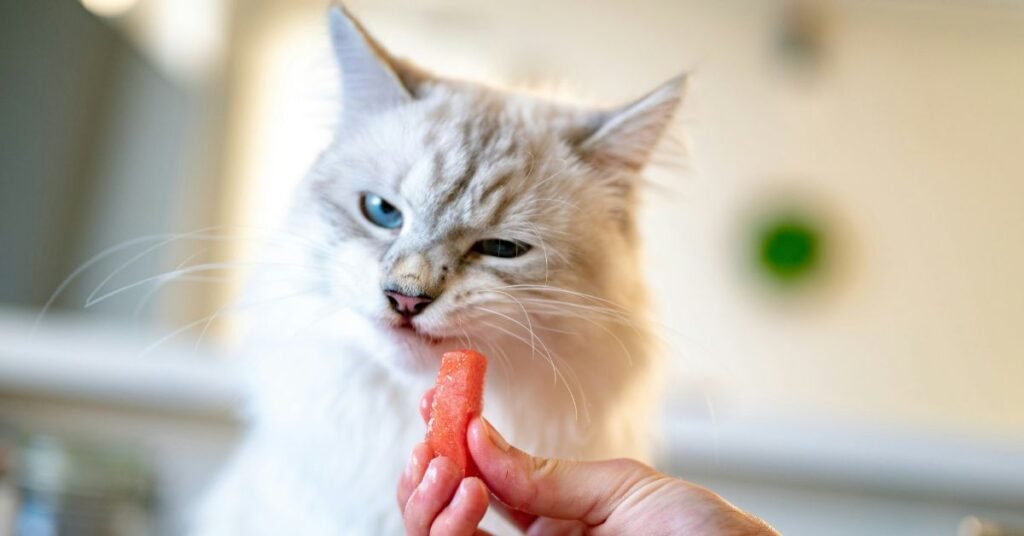
Picture this: You’re enjoying a delicious shrimp dinner when your cat appears at your feet, those big eyes pleading for just one tiny bite. As a loving cat parent, you naturally wonder if sharing your seafood feast is safe for your furry companion.
The good news? Yes, cats can eat shrimp, but there’s more to the story than a simple yes or no. Understanding how to properly prepare and serve shrimp to your cat can make the difference between a healthy treat and a trip to the vet.
Let’s dive into everything you need to know about feeding shrimp to your feline friend.
Quick Overview: Can Cats Eat Shrimp?
The Short Answer: Cats can safely eat cooked shrimp as an occasional treat when it’s properly prepared. However, shrimp should never replace your cat’s regular balanced diet.
Summary of Content
Shrimp offers cats a protein-rich, low-calorie snack packed with beneficial nutrients like omega-3 fatty acids and vitamin B12. While non-toxic and generally safe, shrimp must be thoroughly cooked, properly portioned, and served without shells, tails, or seasonings.
This guide covers everything from nutritional benefits to potential risks, helping you make informed decisions about including shrimp in your cat’s diet.
Is Shrimp Good for Cats?
Shrimp isn’t just tasty for cats; it actually provides several nutritional advantages that can benefit your feline’s health.
As a lean protein source, shrimp delivers essential amino acids that cats need as obligate carnivores. The high protein content supports muscle maintenance and overall body function. But protein isn’t the only benefit shrimp brings to your cat’s bowl.
Shrimp contains vitamin B12, which plays a crucial role in maintaining your cat’s nervous system and supporting healthy red blood cell formation. The omega-3 and omega-6 fatty acids found in shrimp can promote healthy skin and a shiny coat while potentially reducing inflammation throughout your cat’s body.
Additionally, shrimp provides choline, a nutrient that supports brain function and liver health. These tiny crustaceans also contain selenium and phosphorus, which contribute to various bodily functions.
Despite these nutritional perks, remember that shrimp should only supplement your cat’s diet, not form its foundation. Commercial cat foods are specifically formulated to meet all of your cat’s nutritional requirements in the right proportions.
Pro Tip: If your cat has hyperthyroidism, consult your veterinarian before offering shrimp, as shellfish are naturally high in iodine, which may need to be restricted in cats with thyroid conditions.
Can Cats Eat Cooked Shrimp?
Absolutely! Cooked shrimp is the only safe way to serve this seafood to your cat.
Cooking shrimp thoroughly eliminates harmful bacteria like E. coli, salmonella, and listeria that can lurk in raw seafood. These pathogens can cause serious illness in both cats and humans, making proper cooking essential.
The best cooking methods for cat-friendly shrimp include boiling, steaming, grilling, or baking. The key is to prepare the shrimp plain without any added ingredients.
That means no butter, no garlic, no spices, and definitely no seasoning blends. While these additions might make shrimp delicious for humans, many common seasonings are toxic to cats or can cause digestive upset.
Once cooked, allow the shrimp to cool completely before offering it to your cat. Hot food can burn your cat’s mouth and may cause them to eat too quickly, potentially leading to choking.
Always remove the shell and tail before serving, and consider cutting larger shrimp into bite-sized pieces appropriate for your cat’s size.
Can Cats Eat Shrimp Tails?
No, cats should not eat shrimp tails.
While shrimp tails aren’t technically toxic, they present several safety hazards that make them unsuitable for feline consumption.
The tail is composed of chitin, a tough material that forms the shrimp’s exoskeleton. This substance is extremely difficult for cats to digest, especially in larger pieces. When cats attempt to swallow shrimp tails, the rigid structure poses a significant choking risk.
Even if your cat manages to swallow a tail without choking, it can cause problems further down the digestive tract. The sharp edges of the tail can irritate or scratch the delicate lining of your cat’s throat and esophagus as it travels downward.
In worst-case scenarios, large pieces of shell can become lodged in the intestines, creating a dangerous blockage that requires emergency veterinary intervention.
Before serving shrimp to your cat, take the time to completely remove both the tail and shell. This simple step significantly reduces health risks and ensures your cat can safely enjoy their seafood treat.
Can Cats Eat Shrimp Shells?
Shrimp shells fall into the same category as tails and should be removed before feeding shrimp to your cat.
Like tails, shells are made of chitin, which is nearly impossible for your cat’s digestive system to break down. While some cats might be attracted to the crunchy texture, the potential dangers far outweigh any appeal.
Shell fragments can splinter, creating sharp edges that may damage your cat’s mouth, throat, or intestinal tract. The indigestible material can accumulate in your cat’s stomach or intestines, potentially causing blockages that require surgical removal.
Some cats have strong enough jaws to crunch through shells, but this doesn’t make them safe. Even if your cat has managed to eat shrimp shells before without obvious problems, continuing to offer them increases the risk of a serious incident.
Monitor your cat closely if they’ve accidentally consumed any shell pieces. Watch for signs of distress such as excessive drooling, difficulty swallowing, loss of appetite, vomiting, or constipation. If you notice any of these symptoms, contact your veterinarian immediately.
Can Cats Eat Raw Shrimp?
While cats can technically eat raw shrimp, it’s strongly recommended to avoid feeding it to them.
Raw shrimp carries several health risks that cooking effectively eliminates. The most concerning issue is bacterial contamination. Raw shrimp can harbor dangerous bacteria including E. coli and salmonella, which can cause severe gastrointestinal illness in cats.
Beyond bacteria, raw shrimp may contain parasites that can infect your cat’s digestive system. Farmed shrimp might also carry residues of pesticides, antibiotics, and other chemicals used in aquaculture operations.
These contaminants can accumulate in raw shrimp and potentially harm your cat’s health with repeated exposure.
Cooking shrimp to the proper temperature destroys these harmful organisms and significantly reduces chemical contamination. The peace of mind that comes from knowing your cat won’t get sick from their treat is well worth the few extra minutes of preparation time.
If you’re concerned about nutrient loss during cooking, rest assured that shrimp retains most of its beneficial properties even after being cooked. The slight reduction in certain vitamins is far preferable to the risk of serious illness from raw seafood.
How Much Shrimp Can a Cat Eat?
Portion control is crucial when treating your cat to shrimp.
The general rule for treats, including shrimp, is that they should comprise no more than 10% of your cat’s daily caloric intake. This ensures that your cat continues to receive proper nutrition from their complete and balanced cat food.
For most cats, this translates to relatively small portions of shrimp. A small cat weighing around 8 pounds can safely enjoy about half of one medium shrimp per serving. Larger cats, such as a 15-pound Maine Coon, can have one full medium shrimp.
These serving sizes might seem modest, but remember that shrimp is quite rich compared to what cats typically eat. Starting with even smaller amounts is wise, especially if your cat has never tried shrimp before.
Introduce shrimp gradually by offering just a tiny piece the first time. Monitor your cat for the next 24 hours, watching for any signs of digestive upset like vomiting, diarrhea, or decreased appetite. If your cat tolerates this test portion well, you can gradually increase to the recommended serving size.
Cats with sensitive stomachs or known food allergies should receive particularly small portions, and you might want to consult your veterinarian before introducing any new foods.
Pro Tip: Keep a food diary when introducing new treats to track your cat’s reactions and identify any patterns or sensitivities.
How Often Can a Cat Eat Shrimp?
Frequency matters just as much as portion size when it comes to feeding shrimp to your cat.
Once or twice weekly is an appropriate frequency for offering shrimp as a special treat. This schedule allows your cat to enjoy variety in their diet without overconsumption of any single food item.
Spacing out shrimp treats helps prevent several potential issues. First, it reduces the risk of developing food sensitivities or allergies that can occur with frequent exposure to the same protein source.
Second, it helps maintain shrimp as something special rather than an expectation. Cats can become fixated on certain foods, potentially refusing their regular meals if they learn that shrimp is always available.
Third, limiting frequency helps control calorie intake and prevents weight gain. Even though shrimp is relatively low in calories, those extra calories add up quickly when combined with other treats and regular meals.
Consider establishing specific days for shrimp treats, making them part of a varied rotation that might include other cat-safe foods. This approach keeps mealtime interesting while maintaining balance in your cat’s overall diet.
Remember that these are general guidelines. Your cat’s individual health status, weight, and dietary needs may require adjustments to these recommendations. Always consult with your veterinarian if you’re unsure about appropriate treat frequencies for your specific cat.
Are Shrimps Used in Commercial Cat Food?
Yes, shrimp appears as an ingredient in various commercial cat food products, particularly in premium and gourmet lines.
Many manufacturers recognize that cats find shrimp highly palatable and use it to create appetizing formulas. You’ll find shrimp most commonly in wet cat foods, where it’s often paired with other seafood like salmon or tuna to create variety.
These commercial formulations offer several advantages over home-prepared shrimp treats. The shrimp is properly processed and combined with other ingredients to create a nutritionally complete meal rather than just a snack. Manufacturers calculate the exact proportions needed to meet feline nutritional requirements.
Popular brands featuring shrimp-based recipes include options across different quality tiers and price points. These foods undergo testing to ensure safety and nutritional adequacy, giving you confidence that your cat receives balanced nutrition.
However, not all shrimp-containing cat foods are created equal. List of Human Foods Cats Can And Can’t Eat can help you understand which ingredients to seek out and which to avoid when reading cat food labels.
When selecting shrimp-based cat food, look for products that list shrimp among the first few ingredients, indicating it’s a primary component rather than a trace addition. Check that the food meets AAFCO (Association of American Feed Control Officials) standards for complete and balanced nutrition.
How To Prepare Shrimp for Cats
Proper preparation transforms shrimp from potentially dangerous to perfectly safe for your feline friend.
Start with fresh or properly frozen shrimp. Avoid pre-seasoned or pre-cooked varieties from the grocery store, as these typically contain salt, preservatives, and other additives unsuitable for cats.
Step-by-Step Preparation:
First, if using frozen shrimp, thaw them completely in the refrigerator. Never use room-temperature thawing, as this promotes bacterial growth.
Second, rinse the shrimp under cold water to remove any surface contaminants or residues.
Third, choose your cooking method. Boiling and steaming are ideal as they require no added fats. If you prefer grilling or baking, use a clean cooking surface without oils or seasonings.
Fourth, cook the shrimp thoroughly until they turn opaque and pink throughout. Undercooked shrimp can still harbor bacteria.
Fifth, allow the cooked shrimp to cool completely. This prevents mouth burns and makes handling easier.
Sixth, remove the entire shell and tail. Run your fingers along the shrimp to check for any missed shell fragments.
Finally, cut the shrimp into appropriately sized pieces for your cat. Smaller cats need smaller portions, while larger cats can handle bigger chunks.
Storage Tips:
Prepared shrimp can be refrigerated in an airtight container for up to 24 hours. Alternatively, you can prepare a larger batch and freeze individual portions, thawing only what you need for each serving.
Never refreeze shrimp that has already been thawed and cooked, as this increases bacterial contamination risk.
Is Shrimp Bad for Cats?
While shrimp offers nutritional benefits, certain circumstances and preparations can make it harmful to cats.
Potential Health Concerns:
Allergic reactions represent one risk, though they’re relatively uncommon. Cats can develop food allergies to any protein source, including shrimp. Signs of allergic reactions include excessive scratching, skin redness, gastrointestinal upset, or facial swelling. If you notice these symptoms after feeding shrimp, discontinue it immediately and consult your veterinarian.
High sodium content in prepared shrimp can be problematic. Commercially prepared shrimp often contains added salt or is stored in brine. Excessive sodium can lead to increased thirst, dehydration, and in severe cases, sodium ion poisoning. This is why you should always choose plain, unseasoned shrimp for your cat.
Mercury contamination is a concern with all seafood. While shrimp contains lower mercury levels compared to larger predatory fish, it’s not mercury-free. Limiting shrimp frequency helps minimize mercury exposure.
Iodine content in shrimp may affect cats with hyperthyroidism. If your cat has this condition, check with your vet before offering shrimp.
Weight gain can result from too-frequent shrimp treats. Even though shrimp is low in calories, treats add up quickly when combined with regular meals. Overweight cats face increased risks of diabetes, joint problems, and other health issues.
Dangerous Preparations:
Fried shrimp is off-limits due to high fat content and potentially toxic cooking oils. The breading on fried shrimp often contains ingredients harmful to cats.
Shrimp cooked with seasonings poses serious risks. Garlic and onion, common in shrimp recipes, are toxic to cats and can cause life-threatening anemia.
Spicy seasonings can irritate your cat’s digestive system, causing pain and discomfort. Can Cats Eat Cinnamon? A Complete Guide for Cat Owners discusses similar concerns with other spices.
Shrimp served in butter or rich sauces can trigger pancreatitis, a painful and potentially dangerous inflammation of the pancreas.
Final Thoughts
Shrimp can be a delightful, nutritious treat for your cat when prepared and portioned correctly.
The key takeaways for safely feeding shrimp to your cat include always cooking it thoroughly, removing all shells and tails, keeping portions small (half to one shrimp per serving), limiting frequency to once or twice weekly, and never adding seasonings or oils.
Think of shrimp as an occasional indulgence rather than a dietary staple. Your cat’s primary nutrition should come from high-quality commercial cat food specifically formulated to meet feline needs. For more guidance on safe food choices, explore Can Cats Eat Pork? and other comprehensive guides on feline nutrition.
When introducing any new food to your cat’s diet, start small and watch for reactions. Every cat is unique, and what works well for one may not suit another. If you have concerns about your cat’s diet or notice unusual symptoms after feeding shrimp, don’t hesitate to contact your veterinarian.
With proper precautions, shrimp can add variety and excitement to your cat’s treat rotation while providing beneficial nutrients. Your cat will thank you for these special seafood moments, and you’ll have peace of mind knowing you’re treating them safely.
Frequently Asked Questions
Can cats eat frozen shrimp?
Yes, cats can eat frozen shrimp after it has been properly thawed and cooked. Never feed shrimp that is still frozen, as it could damage your cat’s teeth and digestive system. Thaw frozen shrimp completely in the refrigerator before cooking. Avoid commercially prepared frozen shrimp that contains seasonings, salt, or preservatives, as these additives can harm your cat. Plain, frozen raw shrimp that you cook yourself is the safest option.
What happens when you give a cat shrimp?
Most cats eagerly enjoy shrimp because they’re naturally drawn to seafood’s aroma and flavor. When properly prepared, cats typically digest shrimp without problems. However, first-time reactions vary. Some cats may experience mild digestive adjustment, while others take to it immediately. Improper preparation can cause vomiting, diarrhea, or choking. Always monitor your cat after introducing any new food, including shrimp, to ensure they tolerate it well.
Are cats allowed to eat seafood?
Yes, cats can eat many types of seafood as occasional treats. Seafood provides protein and beneficial omega-3 fatty acids that support feline health. However, seafood should supplement rather than replace complete commercial cat food. Different seafood carries different risks. Fish like tuna can contain high mercury levels, while shellfish like shrimp are generally safer when properly prepared. Always cook seafood thoroughly and serve it plain without seasonings or oils.
Can cats eat shrimp chips?
No, cats should not eat shrimp chips or shrimp crackers. These processed snacks contain high sodium levels, artificial flavors, preservatives, and other ingredients unsuitable for cats. The crispy texture might appeal to cats, but these snacks lack nutritional value and can cause digestive upset. Additionally, many shrimp-flavored chips contain very little actual shrimp and instead rely on artificial flavoring. Stick to plain, cooked real shrimp if you want to treat your cat to seafood.
Can cats eat shrimp heads?
While shrimp heads aren’t toxic, they’re not recommended for cats. The heads contain digestible meat but are more difficult to prepare safely than tail meat. They may contain higher concentrations of contaminants that accumulate in the shrimp’s body. Additionally, the harder shell portions of the head pose choking hazards similar to tails and shells. If you choose to offer shrimp heads, remove all hard shell pieces and offer only small amounts of the soft tissue inside.
Can cats eat shrimp skin?
The thin membrane covering shrimp meat is technically edible and won’t harm your cat if consumed in small amounts. However, it’s better to remove this layer along with the shell for several reasons. The skin can harbor bacteria if the shrimp wasn’t properly cleaned. Some cats may find the texture unpleasant, potentially leading to rejection of the treat. Removing the skin ensures you’re offering the cleanest, most palatable portion of the shrimp to your cat.
Can cats eat shrimp fried rice?
No, cats should not eat shrimp fried rice. This dish contains multiple ingredients harmful to cats. The rice itself offers no nutritional value to obligate carnivores. More concerningly, fried rice typically includes garlic, onions, and high levels of salt and oil. Garlic and onions are toxic to cats and can cause serious health problems including anemia. The high fat content from frying can trigger pancreatitis. If you want to share seafood with your cat, offer plain cooked shrimp instead.
