
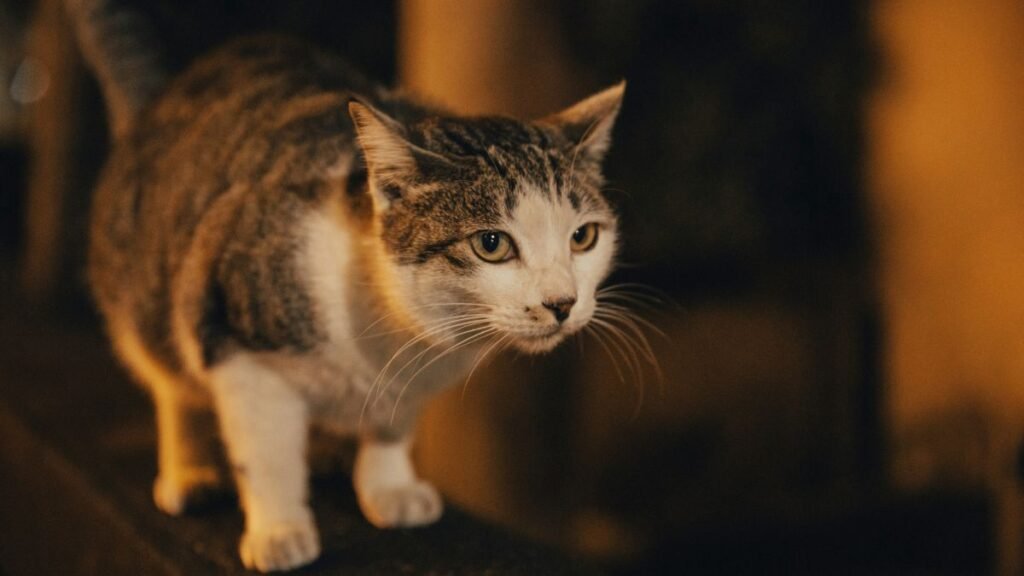
You’re settled on the sofa, minding your business, when your cat climbs onto your lap, locks eyes with you, and starts rhythmically pressing their paws into your legs. Push, pull, push, pull. Maybe they’re purring. Maybe they look completely blissed out. You, meanwhile, are wondering if your cat has temporarily lost their mind.
Welcome to the world of cat biscuit-making. If you’ve ever found yourself Googling “why do cats make biscuits on me” at 11 PM while your cat happily kneads your stomach, you are definitely not alone.
This behavior, officially called kneading, is one of the most common and most endearing things cats do. But what does it actually mean? Is it just a quirky habit, or is your cat trying to tell you something? And why do some cats knead blankets, purr while doing it, or lick things right after?
In this guide, we’re breaking down everything you need to know about why cats make biscuits, where the behavior comes from, what it means when they do it on you specifically, and when (if ever) you should pay closer attention to it.
Quick Overview: Why Do Cats Make Biscuits?
Cat kneading, or “making biscuits,” is the rhythmic pushing and pulling motion cats make with their front paws against a soft surface. It starts in kittenhood as a way to stimulate milk flow from the mother, and most cats carry the behavior into adulthood.
Adult cats knead for several reasons: to self-soothe and relax, to show love and trust toward their favorite humans, to mark their territory using scent glands in their paws, to prepare a comfortable resting spot, and sometimes simply because it feels good. It releases dopamine in the brain, making it a naturally pleasurable activity for your cat.
In short, if your cat makes biscuits on you, that’s a very good sign. It means they feel safe, comfortable, and deeply attached to you.
The Origins of “Making Biscuits”
The nickname “making biscuits” comes from the visual similarity to a baker kneading dough. Your cat extends their paws, presses down, and alternates left and right in a repetitive rhythm. It looks exactly like someone working a lump of dough on a kitchen counter. The phrase has taken on a life of its own on social media, with hashtags like #catsmakingbiscuits gathering millions of views.
But the actual origin of the behavior goes much further back than internet fame.
Kneading is an instinctual behavior that begins the moment a kitten is born. Newborn kittens press their tiny paws against their mother’s belly while nursing. This motion stimulates milk flow and makes the feeding process easier. It also releases calming hormones in both the kitten and the mother, making it a deeply comforting experience from the very first days of life.
Most domestic cats carry this behavior into adulthood because of a phenomenon called neoteny, where animals retain juvenile traits long after they’ve matured. This is the same reason adult dogs still play like puppies. For cats, kneading becomes permanently associated with warmth, safety, and contentment, so they continue doing it whenever those feelings arise.
Wild cats also have a version of this behavior. Before resting, feral and wild felines would press down tall grass, leaves, or soft foliage to create a comfortable nest. This practical, ancient habit is baked into cat DNA. Your domesticated cat may be kneading your favorite hoodie for the exact same instinctual reason their wild ancestors once shaped their sleeping spots in the wilderness.
It’s worth noting that not every cat kneads, and that’s perfectly fine too. Some cats are simply less expressive in this way, and it doesn’t reflect on their health or happiness.
Emotional Connection and Comfort
One of the most meaningful reasons cats make biscuits is purely emotional. When your cat kneads you, they are communicating something that goes beyond words. They feel safe. They feel loved. They feel at home.
Because kneading is rooted in those earliest, most secure moments of life, nursing from a mother, being warm and fed and protected, the behavior becomes deeply tied to feelings of comfort and trust. Adult cats often redirect that feeling toward the humans they love most. If your cat kneads you specifically, they have essentially placed you in the role of their trusted caregiver.
This is why so many cat owners report that their cats make biscuits on their chest or stomach. These are warm, soft areas that feel comforting to press into, and being close to your heartbeat and breathing adds another layer of calm for your cat.
Kneading also triggers the release of dopamine in your cat’s brain. This feel-good chemical makes the motion genuinely pleasurable and self-reinforcing. Your cat keeps going because it literally makes them feel better. It’s their version of a warm bath or a favorite song.
Some cats even combine kneading with other soothing behaviors. You may notice your cat kneads and purrs at the same time, or kneads and licks blankets simultaneously. This combination usually signals that your cat is in a deeply relaxed, almost trance-like state of happiness. If you’re curious about your cat’s other emotional signals, our post on do cats cry explores more ways felines express their feelings.
It is also worth mentioning that some cats may knead when they’re mildly anxious or trying to self-soothe during changes in their environment. If your cat seems to knead more than usual after a move or the arrival of a new pet, they may be seeking comfort. This is still normal behavior, just a signal that they need a little extra reassurance from you.
Marking Territory
Here’s something that surprises a lot of cat owners: your cat’s paws are not just soft and adorable. They are also highly functional scent delivery systems.
Cats have scent glands located between the pads of their paws. When they knead a surface, those glands release pheromones that are unique to each individual cat. This is your cat’s way of leaving a personal signature on whatever they’re touching.
When your cat makes biscuits on your lap or chest, they are quite literally marking you as theirs. It’s a possessive act, but a loving one. They are telling other animals in the household that you belong to them. They are embedding their scent into your clothing, your skin, and your space, reinforcing the bond between you and establishing you as part of their trusted territory.
This territorial marking through kneading is especially common in multi-pet households. If you’ve noticed your cat kneading you more when another pet is nearby, that’s likely not a coincidence. They’re reinforcing their claim on you in the most gentle way possible.
Interestingly, cats will also knead blankets, beds, and furniture for the same reason. Your cat’s favorite throw blanket isn’t just comfy to them, it’s theirs. They have scent-marked it and consider it part of their personal territory.
Preparing a Nest
Long before cats became beloved indoor companions, their wild ancestors had to make their own sleeping arrangements. Wild felines would press down grass, leaves, and other plant material to create a soft, flat resting spot. This pre-sleep ritual served a practical purpose: it made the surface more comfortable, it checked for hidden creatures, and it created a defined, familiar space.
That ancient instinct never left. Even your pampered indoor cat, who has access to a memory foam cat bed, three blankets, and probably your sofa cushions, still carries the urge to “prepare” a sleeping spot before lying down.
This is why so many cats knead their bedding right before curling up for a nap. They’re going through the same pre-sleep routine their ancestors performed, just on a much softer surface. If your cat kneads your lap and then settles in for a snooze, they’ve officially decided that you are the most comfortable nesting spot available. That’s an honor, even if your legs go numb.
You may also notice this nesting behavior increase in pregnant or nursing female cats. As they approach labor, the instinct to prepare a safe, comfortable space becomes more pronounced. Excessive kneading combined with nesting behaviors in an unspayed female cat can sometimes be an early sign of labor.
Stretching and Exercise
There’s a surprisingly practical side to biscuit-making that often gets overlooked: it’s actually a physical workout for your cat.
Kneading involves full extension and flexion of the paws, wrists, and foreleg muscles. When a cat really gets into it, you can see the movement traveling all the way up through their shoulders. It’s a low-impact, repetitive stretch that helps maintain muscle tone and flexibility in the front limbs.
Cats are natural stretchers. If you’ve ever watched your cat wake up from a nap and go through a full-body stretch sequence before walking two feet to their food bowl, you already know this. Kneading is an extension of that same instinct to keep the body limber and ready to move.
This is why kneading often happens right before or right after sleep. Your cat’s muscles are waking up or winding down, and the kneading motion helps ease that transition. Think of it as your cat doing their own version of a warm-up and cool-down routine.
The repetitive motion also has a calming, meditative quality for cats. Much like how some humans find repetitive physical activities like knitting or walking deeply relaxing, cats seem to enter a calm, focused state during kneading. The rhythm itself appears to be part of the comfort.
A Sign of Health and Well-Being
One of the most reassuring things you can take away from this is that kneading is generally a very positive sign. A cat that kneads regularly is usually a cat that feels safe, content, and healthy.
Happy cats knead. Stressed or unwell cats often stop engaging in comfort behaviors altogether. So if your cat is making biscuits on you while purring, relaxing their body, and giving you the slow blink, you are looking at a cat who is genuinely thriving in your home.
Kneading is also a good indicator of your bond with your cat. Cats tend to knead the people they trust most. If your cat chooses to knead on you rather than on a blanket or pet bed, they are singling you out as their person. That’s a meaningful behavioral signal that your relationship with your cat is a strong one.
Understanding your cat’s personality deeply, including behaviors like kneading, can even inspire the perfect name for them. If you’re still searching for that ideal fit, explore our unique cat names guide for inspiration that matches your cat’s one-of-a-kind character.
When to Be Concerned
Kneading is almost always harmless, but there are a few situations where it’s worth paying closer attention.
If your cat suddenly begins kneading excessively and more frantically than usual, it may be a sign of anxiety, pain, or discomfort. Cats sometimes increase repetitive soothing behaviors when something is wrong physically or emotionally. Watch for other changes like appetite loss, hiding, or changes in litter box habits alongside the kneading.
Excessive kneading in unspayed female cats can be linked to being in heat. If your cat is kneading more than normal, vocalizing loudly, and showing increased affection, speak with your vet about spaying.
In rare cases, compulsive kneading can be a sign of a behavioral disorder, especially if the kneading is accompanied by wool sucking or obsessive blanket chewing. If the behavior seems out of control or distressing to your cat, a vet consultation is the right move.
That said, most kneading is nothing to worry about. It’s your cat’s way of saying life is good.
How to Handle Kneading
Even the most devoted cat lover will admit that those little paws can be surprisingly sharp. If your cat kneads with claws extended, the experience can go from adorable to uncomfortable very quickly. Here’s how to make it work for both of you.
Keep your cat’s nails trimmed regularly. This is the single most effective way to reduce the discomfort of kneading. Short, blunt nails still allow your cat to knead fully but without the piercing sensation. If you’re not comfortable trimming nails at home, any vet or groomer can help.
Place a thick blanket or folded towel between your cat and your skin when they begin kneading on you. This creates a buffer without disrupting the behavior. Your cat gets to knead, you keep your skin intact. Everyone wins.
If the kneading happens in an uncomfortable spot, gently and slowly shift your cat to a pillow or soft blanket nearby. Don’t scold or push them away abruptly. A slow, calm redirect teaches them that there’s a perfectly acceptable kneading zone, without making them feel rejected.
Never punish a cat for kneading. Scolding, spraying with water, or pushing the cat away harshly does not stop the behavior. It only creates fear and confusion, since your cat is doing something instinctively joyful and has no idea why it’s being received negatively.
Encouraging Positive Behavior
Rather than trying to stop kneading, the smarter approach is to channel it in a direction that works for you and your cat.
Designate a specific blanket or soft pillow as your cat’s official kneading spot. Place it in a location your cat already loves, near a window, on the couch, or at the foot of the bed. When your cat begins to knead on you, gently guide them toward that spot instead. With time and consistency, many cats will naturally gravitate to their designated kneading area.
Positive reinforcement works well here. When your cat uses their kneading blanket, offer quiet praise, a gentle pet, or a small treat. This builds a positive association with the preferred location.
If your cat’s kneading is paired with suckling on fabric, consider providing a soft toy specifically for that purpose. Some cats, particularly those weaned early, find this combination deeply comforting. Having a dedicated item reduces wear on your furniture and clothing while still letting your cat express the behavior freely.
The goal is never to eliminate something your cat finds genuinely soothing. The goal is to create an environment where everyone is comfortable. Understanding your cat’s behavior is a big part of building a happy home together, and a well-chosen name that matches your cat’s personality is a great starting point. Browse our cat names A to Z guide to find one that suits your biscuit-making best friend perfectly.
Embracing the Kneading Habit
Once you understand why cats make biscuits, it’s hard not to see the behavior in a completely different light. What once looked like a random, slightly strange pawing motion is actually a layered, meaningful communication from your cat.
It’s a love language. It’s a security signal. It’s ancient instinct wrapped up in a small, purring package pressing their paws into your favorite blanket.
When your cat makes biscuits on you, they are telling you that you are their safe place. You are, in their mind, the equivalent of the warmth and comfort of their mother from the earliest days of their life. That is about as high a compliment as a cat can pay a person.
Lean into it. Let them knead. Grab a thick blanket if needed. Enjoy the purring. Watch their face go soft and dreamy as they enter their little biscuit trance. These are the moments that make cat ownership so uniquely special.
Just like no two cats are the same, no two cats knead the same way. Some use all four paws. Some only the front two. Some extend their claws dramatically; others keep them fully sheathed. Some purr the whole time; others are silent bakers. This individual variation is part of what makes each cat so fascinating. If you’d love to celebrate what makes your cat unique, check out our silly cat names guide for names as wonderfully quirky as the cats who inspire them.
Cats that are curious about the world around them, that engage deeply with their environment and with the people they love, tend to be the most expressive kneaders. Learning more about your cat’s behavior, like understanding why cats loaf or why cats lick you, paints a richer picture of just how emotionally complex and communicative these animals truly are.
Final Thoughts
Cats make biscuits because they are happy, safe, and bonded to you. It’s really as simple as that, beneath all the science and instinct and evolutionary history.
Kneading starts as a survival behavior in newborn kittens and becomes one of the most reliable expressions of love and contentment in adult cats. When your cat climbs into your lap and starts that familiar rhythm, press, release, press, release, they are telling you in the only language they have that you are their person.
Understanding this behavior doesn’t just make it less puzzling. It deepens the connection you have with your cat. Every knead is a reminder that you’ve built something real with them, a relationship built on trust, comfort, and genuine affection.
So the next time your cat turns your lap into a biscuit factory, appreciate the moment. You’ve earned it.
And if you’re thinking about welcoming a new feline friend into your life, finding the perfect name is one of the most exciting first steps. Whether your new cat is a bold kneader or a quiet observer, our cool cat names collection has something that will suit them perfectly.
Frequently Asked Questions
Why do cats make biscuits on me specifically?
Your cat makes biscuits on you because they trust you deeply and see you as a source of comfort and safety. Kneading is rooted in the nursing behavior kittens perform with their mothers, so when your cat kneads you, they are expressing that you hold the same level of security and affection in their life. It’s one of the highest forms of feline compliment.
Why do cats make biscuits and purr at the same time?
When a cat kneads and purrs simultaneously, they are in a state of deep relaxation and contentment. Both behaviors are associated with comfort and safety from early kittenhood. Purring often accompanies nursing, just as kneading does, so the two naturally occur together when your adult cat is feeling particularly happy and at ease.
Why does my cat make biscuits on my chest?
Your chest is warm, rises and falls with your breathing, and is physically close to your face and voice. For your cat, this combination is deeply soothing. It mimics the closeness of being pressed against a mother’s body. Cats who knead on your chest are usually the ones who feel especially bonded with you and crave that physical closeness.
Why do cats make biscuits and lick blankets?
Cats that knead and lick blankets are often mimicking the full nursing experience from kittenhood, which involved both the kneading motion and suckling. This behavior is especially common in cats that were weaned earlier than usual. It is generally harmless and simply means your cat finds it very comforting. If the blanket chewing becomes excessive or your cat ingests fabric, it’s worth mentioning to your vet.
Is it normal for cats to make biscuits on you every day?
Yes, absolutely. Some cats are enthusiastic, daily kneaders. Others do it occasionally. How often a cat kneads depends on their individual personality, how relaxed they feel in their environment, and how strong their bond is with you. Daily kneading is a sign of a happy, secure cat who feels at home with you.
Should I let my cat make biscuits on me?
Yes, unless it’s physically uncomfortable due to sharp claws. You should never punish a cat for kneading as it’s a natural, instinctive behavior tied to positive emotions. If the claws are an issue, keep them trimmed regularly and place a soft blanket between you and your cat. This way, your cat gets to express their feelings fully while you stay comfortable.
Why does my cat make biscuits but not all cats do?
Just like humans, cats have individual personalities and express themselves differently. Some cats are enthusiastic kneaders their whole lives. Others slow down after kittenhood, and some never develop the habit prominently at all. A cat that doesn’t knead often is not unhappy or unhealthy. They simply show their contentment in other ways, like slow blinking, following you around, or curling up beside you.
Do male and female cats knead differently?
Both male and female cats knead, and the behavior is equally common across genders. The one distinction is that unspayed female cats may knead more intensely or frequently when they are in heat, as part of their instinctual nesting and mating signals. If an unspayed female is kneading excessively along with other signs of heat, a conversation with your vet about spaying is a good idea.
Can kneading be a sign that something is wrong with my cat?
In most cases, kneading is a healthy, positive behavior. However, a sudden significant increase in kneading, especially if it seems frantic or distressed rather than relaxed, can sometimes signal anxiety, pain, or discomfort. If the increase in kneading is accompanied by other behavioral changes like hiding, reduced appetite, or changes in litter box use, a vet visit is recommended to rule out any underlying issues.
