
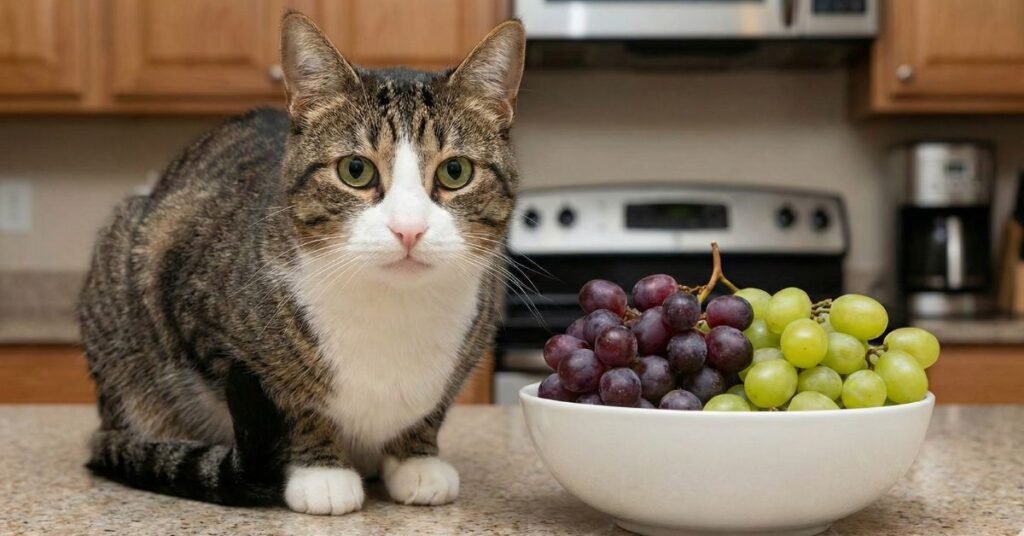
Picture this: you’re enjoying a snack of fresh, juicy grapes while sitting on the couch, and your curious feline friend hops up beside you, eyes locked on your bowl. Should you worry? The simple answer is no, cats should never eat grapes, and we’re here to explain exactly why.
While many cat owners are aware that grapes pose serious dangers to dogs, the same toxic threat applies to our feline companions. The confusion often stems from the fact that grape toxicity in cats appears less common than in dogs, leading some people to assume it’s safe in small quantities. This misconception could put your beloved cat at risk.
Whether it’s fresh green grapes, red grapes, or even raisins, all forms of grapes are dangerous for cats and should be kept far out of reach. Understanding the risks is the first step toward protecting your cat’s health and ensuring they live a long, thriving life with you.
Are Grapes Bad for Cats
Yes, grapes are absolutely bad for cats. The unfortunate truth is that grapes contain an unknown toxic compound that can cause serious harm to felines, even in small quantities.
Scientists and veterinary toxicologists are still working to identify the exact substance responsible for grape toxicity in cats. Current research suggests it could be a water-soluble compound found in the grape flesh itself, not the seeds. Some experts theorize that tartaric acid, found in different concentrations throughout grapes and raisins, may be the culprit.
What makes this particularly concerning is that the toxin is present in both seedless and seeded varieties. This means regardless of which type of grape you’re buying at the grocery store, the risk remains the same for your cat.
Cats are obligate carnivores, which means their bodies are designed to digest and extract nutrients primarily from animal-based sources. Their digestive systems simply aren’t equipped to process sugary fruits like grapes. Beyond the unknown toxic compound, grapes offer zero nutritional value to cats and introduce unnecessary risk into their diet.
The lack of widespread cases of grape toxicity in cats compared to dogs doesn’t mean cats are immune. Feline poisoning cases may be less documented simply because cats are pickier eaters than dogs and naturally avoid fruits. This doesn’t make the fruit safe, it just means fewer cats have the opportunity to eat them.
Can One Grape Hurt a Cat
This is where the question becomes tricky because susceptibility varies from cat to cat. While some cats might theoretically consume grapes without showing immediate symptoms, veterinarians emphasize that there’s simply no safe amount.
Research has established that the lowest amount documented to cause kidney damage in pets is 0.7 ounces per 2.2 pounds of body weight for grapes. For a typical 10-pound cat, that equates to approximately 12 grapes, not an impossible amount for a determined or curious feline to consume.
Here’s the critical part: just because your cat may get away with eating one grape doesn’t mean they will. Individual cats have different levels of sensitivity to the toxin. What causes no reaction in one cat could trigger severe poisoning in another. This unpredictability is precisely why veterinarians recommend maintaining a zero-tolerance policy when it comes to grapes.
Additionally, a single grape could pose a choking hazard, especially if your cat tries to swallow it whole. Grape skins are thick and can be difficult for cats to digest properly, potentially causing gastrointestinal blockages in smaller or older cats.
The bottom line: one grape might not hurt your cat, but it’s a risk that’s simply not worth taking. When it comes to your cat’s health, playing it safe is always the right choice.
What To Do if Your Cat Has Eaten Grapes
Discovering that your cat has eaten grapes can be frightening, but staying calm and acting quickly is essential. Time is genuinely of the essence when dealing with potential grape toxicity.
The very first thing you should do is contact your veterinarian or emergency veterinary clinic immediately. Even if it was just a single grape, don’t wait to see if symptoms develop. Some of the kidney damage from grape toxicity can occur silently and rapidly, sometimes progressing to irreversible damage within hours.
While waiting for veterinary guidance, gather important information: approximately how many grapes did your cat eat, when did the ingestion occur, and has your cat shown any unusual behavior or symptoms yet? This information will help your vet determine the best course of action.
Do not attempt to induce vomiting at home unless your veterinarian specifically instructs you to do so. Well-meaning attempts to make your cat vomit can actually cause more internal damage than the grape toxin itself. Your vet has the proper medications and expertise to handle this safely.
If your cat consumed a significant number of grapes, don’t waste time on phone consultations. Take your cat directly to the nearest veterinary emergency hospital. Acute kidney injury can develop rapidly, and your cat needs professional medical assessment and treatment right away.
Call the ASPCA Animal Poison Control Center, if you can’t reach your veterinarian. Their poison control experts can provide guidance tailored to your specific situation and help coordinate care with your vet.
Signs of Grape Poisoning in Cats
Understanding the early warning signs of grape poisoning can help you catch the problem before it becomes life-threatening. However, it’s important to know that not all cats will display obvious symptoms immediately.
Within the first 6 to 12 hours after grape ingestion, watch carefully for these initial signs:
Your cat may appear lethargic or unusually weak. They might lack their normal energy and seem reluctant to move around or engage in play. You might notice abdominal discomfort, where your cat seems to be in pain or demonstrates sensitivity when you touch their stomach area.
Loss of appetite is another early red flag. Your cat may refuse to eat their usual meals or show no interest in treats they normally love. Some cats become restless, acting anxious or unable to settle down.
As the poisoning progresses over the next 24 to 48 hours, symptoms typically become more severe and obvious:
Vomiting and diarrhea become more pronounced. Your cat may vomit repeatedly or have loose, watery stools. Strong-smelling breath can develop as kidney function declines and toxins accumulate in the bloodstream. Your cat’s breath might smell distinctly unpleasant—almost like chemicals or ammonia.
Increased thirst paired with decreased urination is a particularly concerning sign. Your cat may drink significantly more water than usual but produce little or no urine. This is a hallmark indicator of kidney dysfunction.
Severe cases can progress to neurological symptoms, including muscle tremors or seizures. In the most critical situations, cats may become unresponsive or slip into a coma.
If you notice any combination of these symptoms after your cat has potentially eaten grapes, don’t delay seeking veterinary care. Early intervention can mean the difference between full recovery and permanent organ damage.
How Vets Treat Grape Toxicity in Cats
When you bring your cat to the veterinarian with suspected grape poisoning, they’ll implement a comprehensive treatment approach designed to minimize kidney damage and flush the toxins from your cat’s system.
Your vet will begin with a thorough physical examination, carefully assessing your cat’s vital signs and noting any areas of discomfort, particularly around the kidneys. They’ll take baseline blood and urine samples immediately, which serve as crucial reference points for monitoring your cat’s condition over the following hours and days.
In most cases, your veterinarian will attempt to decontaminate your cat’s gastrointestinal tract through controlled vomiting using specific medications. This should only be done under professional supervision, as improper technique can cause serious harm. Following vomiting, your vet may administer activated charcoal or other binding agents to absorb any remaining toxins and help escort them through your cat’s digestive system and out of the body.
The cornerstone of treatment is intravenous fluid therapy. Your vet will establish an IV line to administer fluids directly into your cat’s bloodstream. This accomplishes several critical goals: it dilutes any toxins still circulating in the blood, promotes kidney function, encourages urine production, and helps flush out harmful compounds before they can cause irreversible kidney damage.
Your cat will need to remain hospitalized so the veterinary team can monitor their condition continuously. They’ll repeat blood work and urinalysis multiple times to track kidney function and assess for signs of acute kidney injury. This close monitoring allows vets to adjust treatment protocols based on your cat’s response.
Most cats can go home after 24 to 36 hours if their kidney values remain normal and they’re showing improvement in their symptoms. However, if kidney damage has occurred, longer hospitalization becomes necessary, sometimes extending to several days.
In cases where kidney damage is detected, your cat may require long-term medication management at home. The specific medications and their duration depend entirely on the severity of the kidney injury. Some cats recover completely and need no ongoing treatment, while others require lifelong medication and dietary management to support kidney health.
If Grapes Are Bad for Cats, How Can We Stop Cats Eating Them
The good news is that preventing grape exposure is entirely within your control. With some practical strategies and awareness, you can keep grapes safely away from your curious feline.
The most effective prevention method is simply removing grapes from your cat’s environment. Store grapes in your refrigerator or a high cupboard that your cat cannot access. Many cats are persistent climbers, so make sure storage areas are truly secure and not easily knocked over or opened.
Be especially cautious with grocery shopping bags. Never leave shopping bags unattended in your home, as curious kittens and cats may investigate and help themselves to fresh produce. The moment you return home with groceries, put perishables away immediately.
Pay close attention during holidays and special occasions. Festive foods often contain raisins, including traditional cakes, cookies, fruitcake, and baked goods. Keep these items secured and out of reach, particularly if you’re hosting gatherings where your cat might find dropped food or attempt to eat from plates.
Learn to identify hidden sources of grapes and raisins in human foods. Trail mix, energy bars, breakfast cereals, bran muffins, cookies, and even some savory sauces may contain dried grapes. Check food labels carefully and store these items securely.
Pro Tip: Consider using closed containers or locking cabinets for any foods containing grapes or raisins. This extra step might seem excessive, but it eliminates the possibility of your cat accessing these items, even if they manage to open a regular cabinet.
Teach family members and visitors about the danger of grapes for cats. Make sure everyone in your household knows that grapes are toxic and should never be offered to your cat as a treat, even with good intentions.
Create a designated “cat-free zone” for your fruit bowl if possible. Keep grapes and other potentially toxic fruits in a room where your cat spends minimal time, or use a high counter that your cat cannot access.
Better Treats for Cats
Now that you understand why grapes are off-limits, you’re probably wondering what treats your cat actually enjoy and that are safe to offer them.
Since cats are obligate carnivores, the best treats align with their natural dietary needs. Freeze-dried chicken, turkey, or fish treats provide the protein and satisfaction cats crave without any toxic compounds. These treats are minimally processed and closely mimic what cats would eat in the wild.
Commercial cat treats specifically formulated by pet nutrition experts are excellent choices. These products are designed with feline nutritional needs in mind and undergo rigorous safety testing. Look for treats that list meat as the primary ingredient and avoid those with excessive fillers or artificial additives.
Plain, cooked chicken is an outstanding treat you can prepare at home. Simply boil chicken breast without any seasoning, salt, or oil, then cut it into small, bite-sized pieces. Most cats absolutely love this simple, protein-packed snack. You can even freeze portions for convenience.
Plain pumpkin (not pumpkin pie filling, which contains sugar and spices) is a safe, occasional treat that many cats tolerate well. It provides fiber and can be beneficial for digestive health. Offer it in very small amounts, just a teaspoon or two.
Cats can safely enjoy small amounts of cooked salmon or tuna (in water, not oil). The omega-3 fatty acids support healthy skin and coat. However, tuna should be given sparingly because consuming too much can lead to mercury accumulation and thiamine deficiency.
Your veterinarian can recommend species-appropriate treats and help you identify safe snacking options that fit your individual cat’s health needs. Some cats have special dietary requirements or health conditions that influence what treats they can safely enjoy.
If you’re looking for creative ways to engage your cat’s natural hunting instincts and reward them, consider puzzle feeders or interactive treat toys designed specifically for felines. These provide mental stimulation while dispensing small, controlled portions of healthy treats.
More on What Cats Can and Can’t Eat
Understanding which foods are safe for your cat extends beyond grapes. Your feline companion’s diet should be carefully curated to support their health and longevity.
Beyond grapes and raisins, other toxic foods to keep away from your cat include chocolate (which contains theobromine), raw onions and garlic, avocado, caffeine, alcohol, raw fish, and xylitol (an artificial sweetener). Each of these poses unique risks ranging from digestive upset to organ damage.
Many common household foods that seem harmless to humans can actually trigger serious reactions in cats. Dairy products like milk and cheese can cause digestive upset in lactose-intolerant cats. Fatty meat trimmings can lead to pancreatitis. Raw eggs carry the risk of bacterial contamination.
The best approach is adopting a simple rule: if you’re unsure whether a food is safe for your cat, don’t offer it. When in doubt, consult with your veterinarian. They can provide comprehensive guidance on your cat’s specific dietary needs and recommend safe treat options.
Establishing good eating habits early prevents behavioral issues and keeps your cat healthy. Avoid the temptation to share your meals or snacks with your cat, even when they give you those irresistible pleading eyes.
Your cat’s primary nutrition should come from high-quality, AAFCO-approved commercial cat food specifically formulated for their age and health status. Kittens, adult cats, and senior cats have different nutritional requirements, so choosing age-appropriate food is essential.
If you’re interested in exploring creative ways to engage your cat and celebrate their unique personality beyond treats, consider using our Cat Name Generator to find the perfect name that truly captures who your feline friend is. A name that fits their personality can strengthen your bond and make your relationship even more special.
Final Thoughts
The question “Can cats eat grapes?” has a clear and definitive answer: no, cats should never eat grapes, whether fresh, dried, or in any other form.
While grape toxicity may be less frequently documented in cats than in dogs, the potential risks are simply too serious to ignore. The mysterious toxin in grapes can cause kidney damage, organ failure, and potentially fatal consequences. The fact that some cats may consume grapes without apparent immediate symptoms doesn’t make them safe, it just means we haven’t fully understood individual susceptibility yet.
Your responsibility as a cat owner is to maintain a safe environment where your feline companion can thrive without exposure to dangerous foods. Store grapes securely, educate yourself about hidden sources of grapes and raisins in processed foods, and know exactly what to do if an accidental ingestion occurs.
By staying informed and vigilant, you’re giving your cat the best chance at a long, healthy, and happy life. Focus on offering species-appropriate treats, maintaining a nutritionally complete diet, and keeping toxic foods completely out of reach.
If you ever suspect your cat has eaten grapes, don’t hesitate to contact your veterinarian or the ASPCA Animal Poison Control Center at 888-426-4435 immediately. Quick action could literally save your cat’s life.
Your cat depends on you to make safe choices for them. By understanding the risks of grapes and taking proactive steps to prevent exposure, you’re demonstrating the care and dedication that makes you a responsible, loving cat owner.
FAQ
What happens if my cat ate a grape?
If your cat ate a single grape, there’s a possibility they may not experience any symptoms. However, this doesn’t mean it’s safe. Your best course of action is to contact your veterinarian immediately, even if your cat seems fine. Your vet can assess the situation based on your cat’s weight, age, and health status. They may recommend monitoring at home or bringing your cat in for examination and treatment to prevent potential kidney damage. Never wait to see if symptoms develop—early intervention is crucial. If your cat consumed multiple grapes, seek emergency veterinary care right away.
What fruit is not toxic to cats?
Most fruits are not toxic to cats, but that doesn’t mean they’re beneficial either. Cats naturally show little interest in fruits because they lack sweet taste receptors. However, small amounts of certain fruits can be offered occasionally in moderation. Safe fruits include small pieces of cantaloupe, watermelon (seedless), blueberries, and apples (without seeds). Even with safe fruits, they should represent only occasional treats and make up no more than 10 percent of your cat’s daily caloric intake. Remember, fruits provide minimal nutritional value to obligate carnivores. Always consult your veterinarian before introducing any new foods to your cat’s diet.
Why is my cat obsessed with grape stems?
Cats may show interest in grape stems for several reasons. The stems and leaves of grape vines can have an interesting texture or even faint scent that attracts some cats. Some cats are naturally curious about plant-based items in their environment. However, grape stems and leaves should also be considered dangerous for your cat. Even if they don’t contain the same toxic compound as the fruit itself, they can cause gastrointestinal obstruction, especially if your cat attempts to eat large quantities. Keep all parts of grape plants—fruit, stems, and leaves—completely out of your cat’s reach. If your cat shows persistent interest in plant material, provide cat-safe alternatives like cat grass designed specifically for feline consumption.
Can a cat have a green grape?
No, cats should not have green grapes, red grapes, purple grapes, or any other color or variety of grape. The toxic compound present in grapes affects all varieties equally, regardless of color or whether they’re seedless or seeded. The assumption that green grapes might be “less ripe” or “safer” than other colors is incorrect. All grape varieties contain the potentially harmful water-soluble compound in their flesh. There is no safe type or color of grape for cats. The most important rule is to keep all grapes completely away from your cat, regardless of their appearance or variety.
How long after eating grapes will cats show symptoms?
Symptoms of grape poisoning in cats can appear relatively quickly, though timing varies. Initial signs like lethargy, abdominal discomfort, and loss of appetite may develop within 6 to 12 hours of ingestion. Over the next 24 to 48 hours, symptoms typically become more pronounced and serious, including vomiting, diarrhea, and changes in urination patterns. This is when kidney damage may become apparent through blood work. Some cats may not show obvious external symptoms until kidney damage is already occurring internally. This unpredictable timeline is why veterinarians strongly recommend seeking professional help immediately if grape ingestion is suspected, rather than waiting to observe symptoms. Early intervention within the first 12 hours offers the best chance of preventing kidney damage.
What should I do if my cat ate raisins?
If your cat has eaten raisins, this is as serious as or potentially more serious than grape ingestion because raisins are concentrated, dehydrated grapes with higher toxin levels. Take immediate action by calling your veterinarian or emergency animal poison control center. Do not wait for symptoms to appear. Provide your vet with information about how many raisins your cat ate and when the ingestion occurred. Bring your cat in for examination and treatment right away. Your vet will likely induce vomiting, administer activated charcoal, and begin IV fluid therapy to support kidney function and prevent damage. Raisins are hidden in many common foods including trail mix, bran muffins, breakfast cereals, energy bars, cookies, and fruitcake, so vigilance in checking food labels and securing these items is essential.
Are grapes more dangerous for kittens or senior cats?
Both young kittens and senior cats face increased vulnerability to grape toxicity compared to healthy adult cats. Kittens have developing organ systems and may lack the ability to process and eliminate toxins effectively, making any exposure particularly concerning. Senior cats often have compromised kidney function or other age-related health issues, meaning even small amounts of a nephrotoxic substance like grapes can trigger serious complications. Additionally, older cats may have difficulty recovering from kidney damage that occurs. Cats of all ages should avoid grapes entirely, but extra caution is warranted with very young and very old cats. If a kitten or senior cat ingests even a small amount of grape, emergency veterinary care should be sought immediately.
